
Coverage & Press Release from the International Sister City Official Signing Ceremony between Dnipro, Ukraine and
Grand Rapids, MI United States hosted at Lublin Town Hall in Poland on Friday October 23rd, 2026.
Photos and additional notes provided.
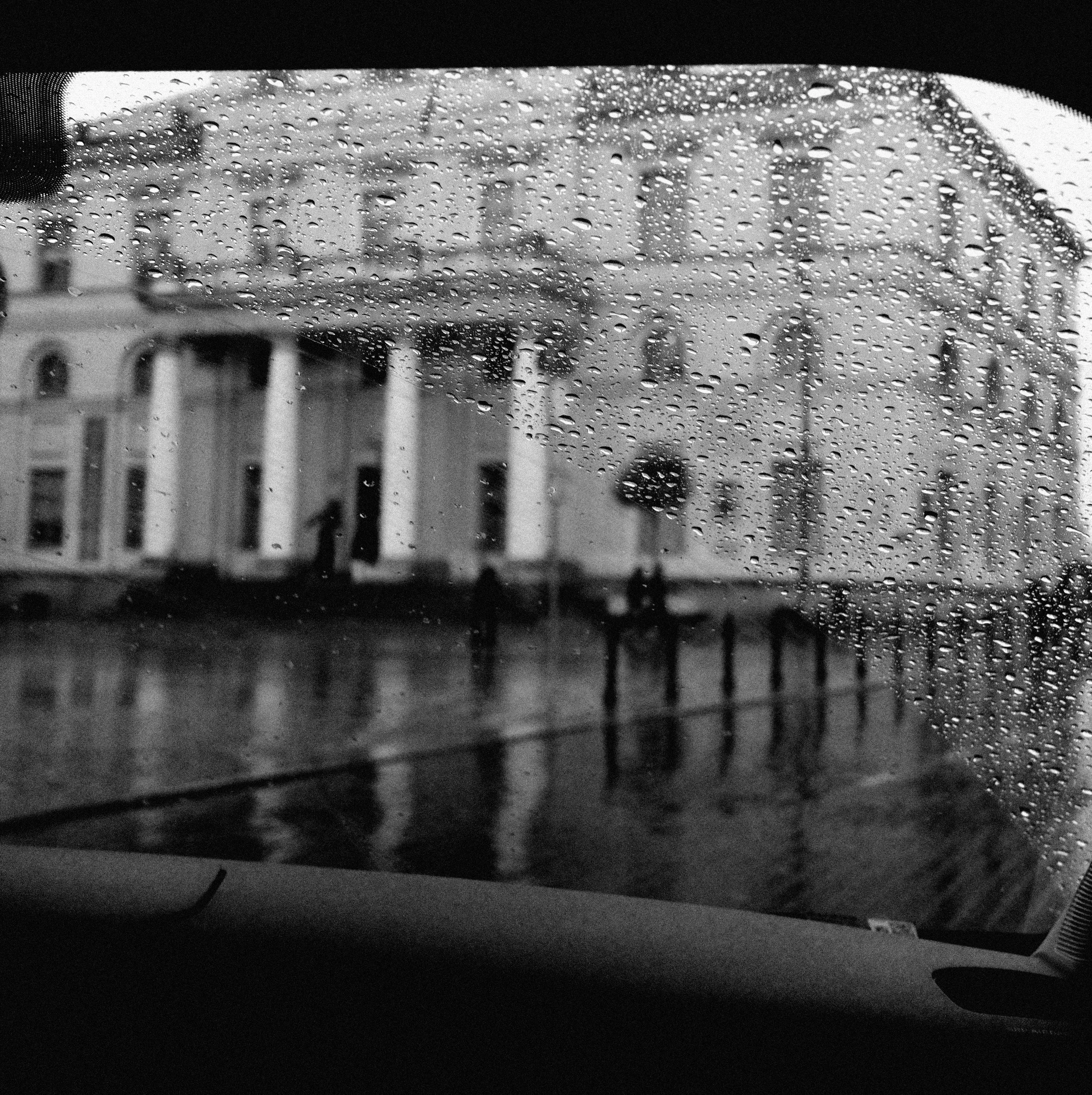
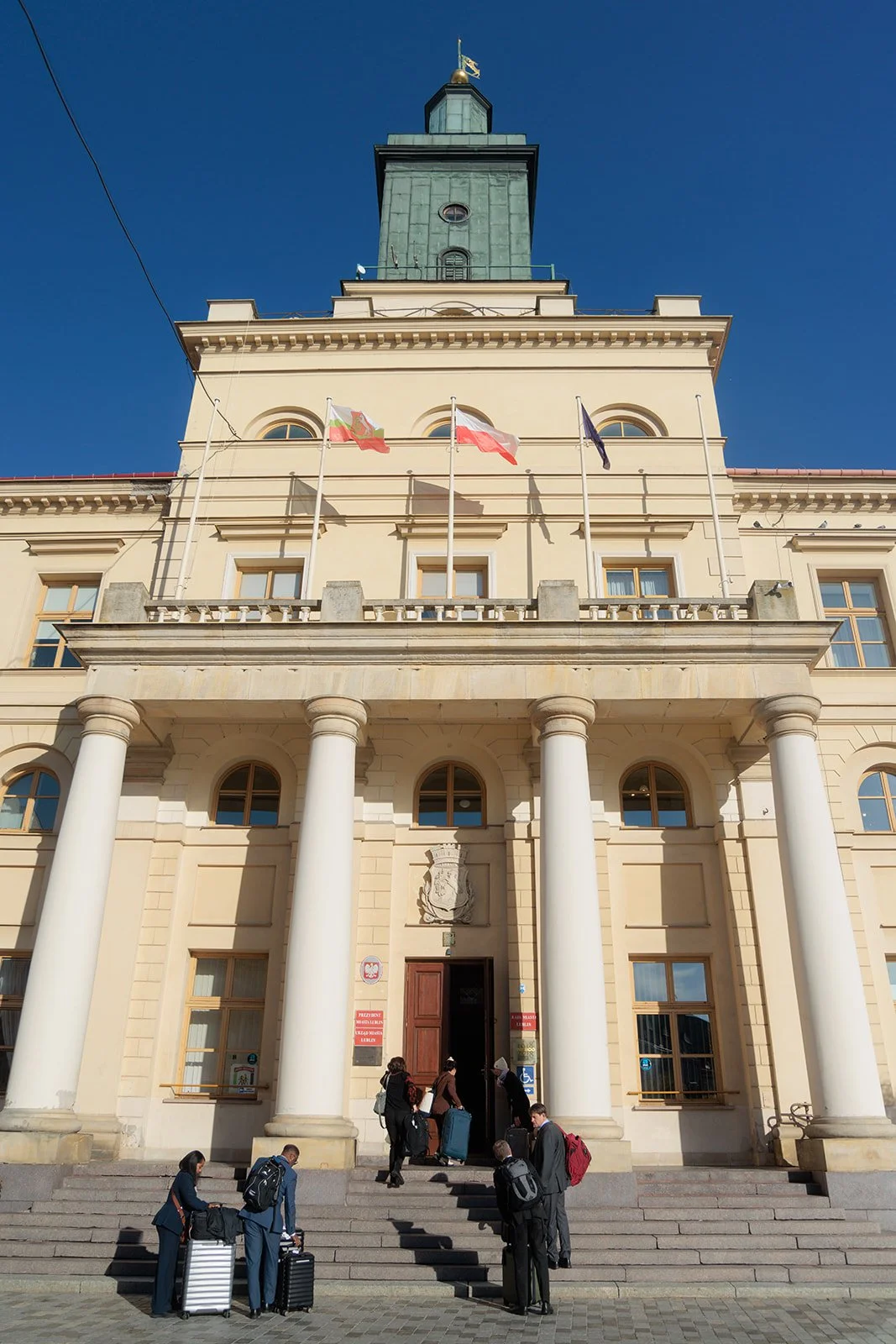
First glance of Lublin Town Hall October 22nd 2026
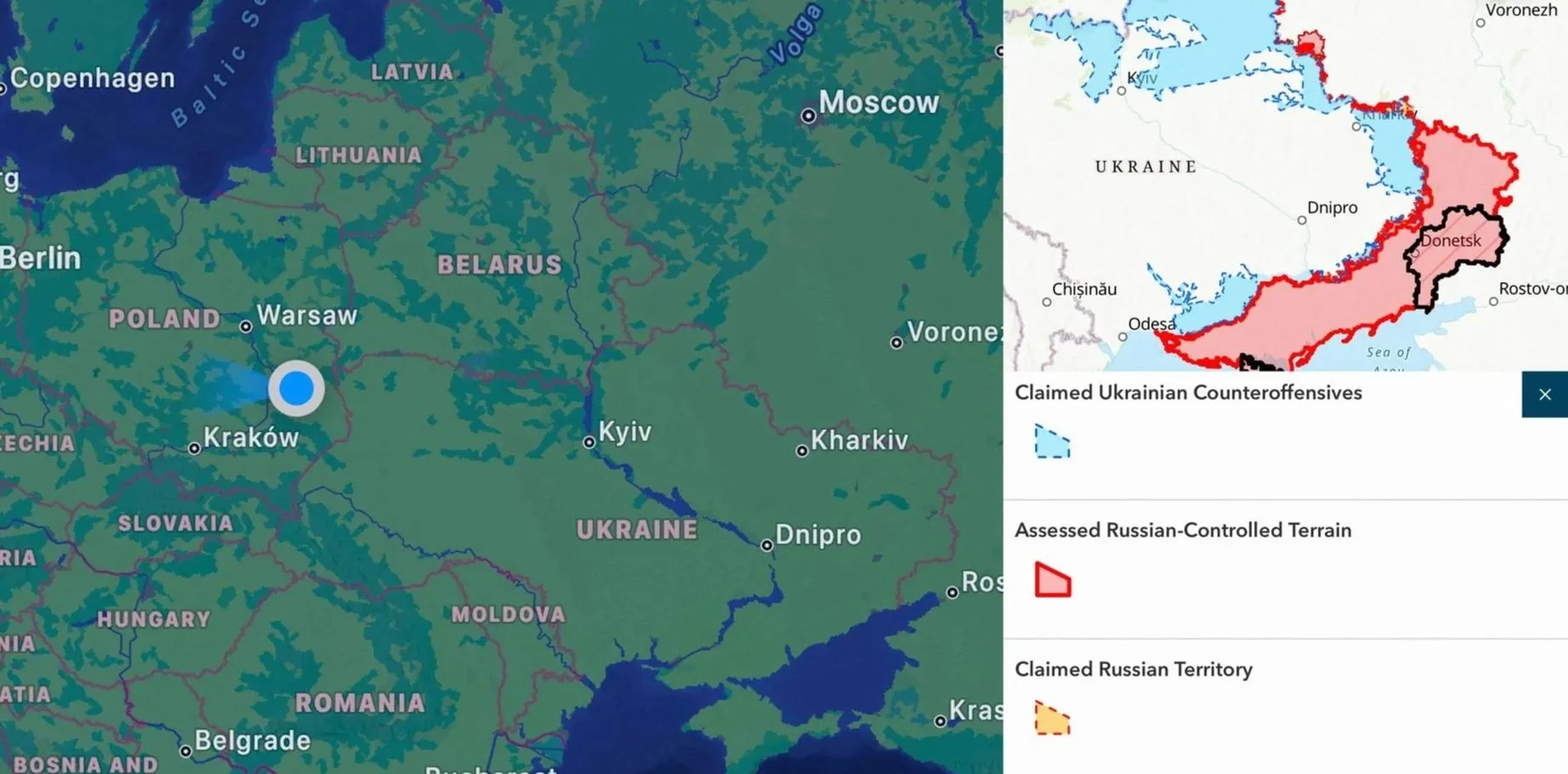
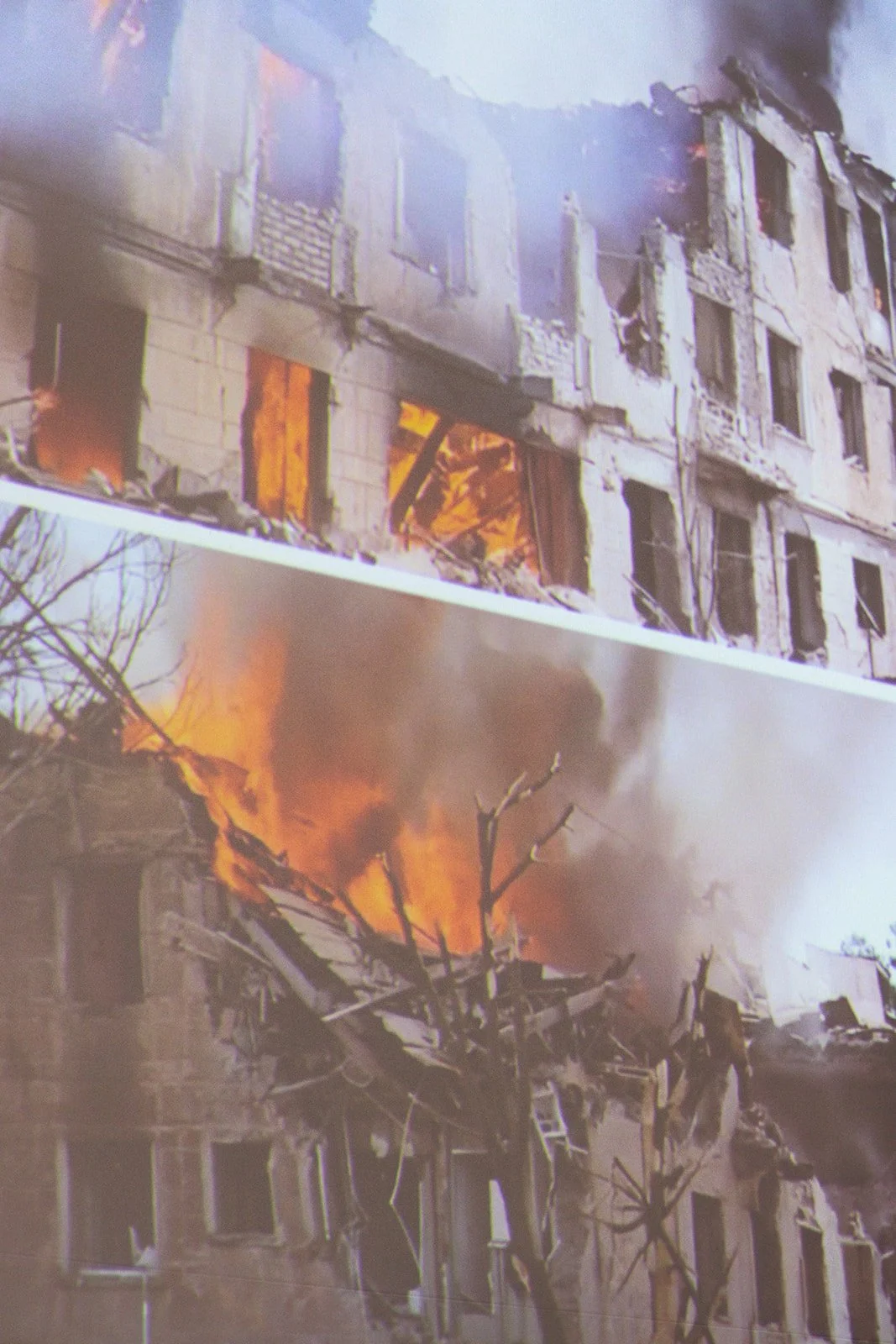
The Ukrainians are fighting an existential war against an adversary that openly seeks to subjugate them and eliminate their identity and language.
Even though Russia has improved their drone capabilities, every month in the last year the Ukrainians have fought and gained back most of what took Russia 3 years to initially gain. the Ukrainians are resolute, and they are winning [source].
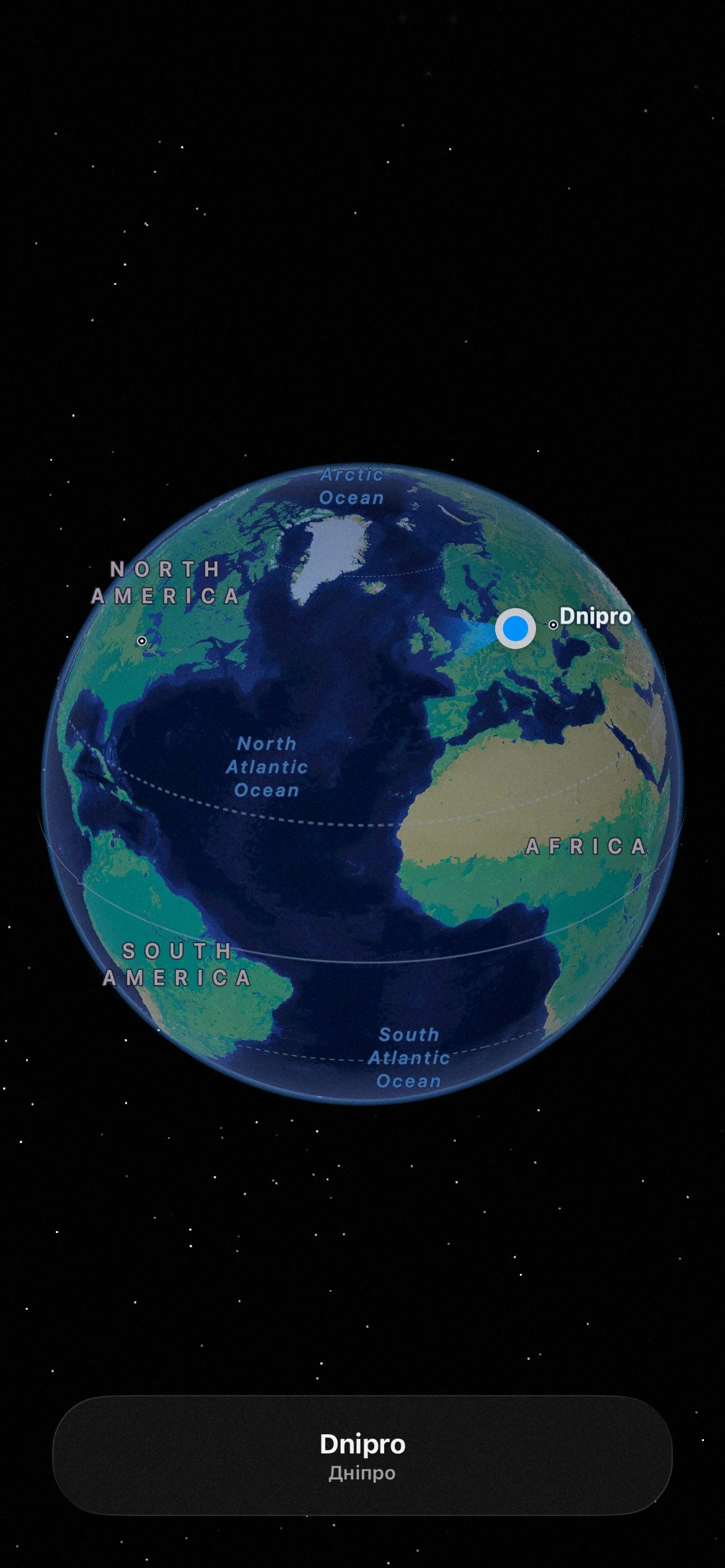
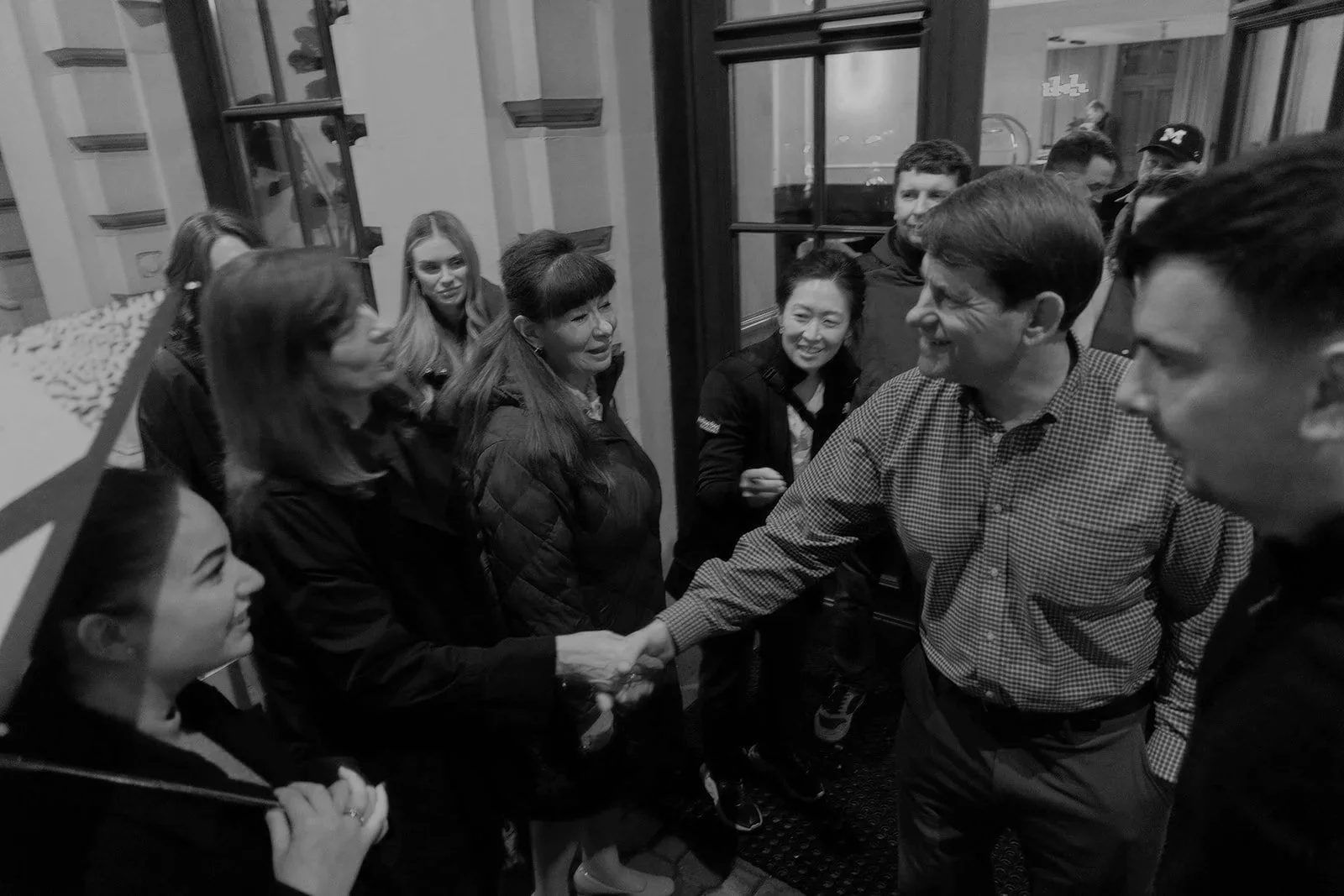
Informal introductions upon arrival between delegations from Lublin, Dnipro and Grand Rapids outside the hotel. Shaking hands is Ms Ksenia Sushko, Deputy Mayor for Executive Bodies, Director of the Department of Social Policy of the Dnipro City Council (L) and Mr David LaGrand, Mayor of Grand Rapids MI (R)
additional notes for context-
It was explained to me when documenting my first International Sister City Signing Ceremony for the City of Grand Rapids that the process is a lot like the courtship of marriage; At first there’s a commitment between cities to pursue a friendship (friendship city documents are officially drafted and signed), then after months-to-years of conversations and hometown tours, shared meals and the dreams of future plans together, a date is set at city hall, guest list drafted and invitations sent. The ceremony is straightforward, both cities’ mayor shares meaningful words to the witnesses, official documents are signed, gifts exchanged, photo ops shot, hor d’orvres devoured and then with the celebratory reception dinner ingested and the blending of civic families concluded, now the real work begins as each party plans more visits, share cultural exports, build economic bridges, extend invitations to civic events and also send out thank you cards to all who attended the party. All in all it’s a gladsome event.
Also similar to marriage, no two Sister City unions are alike. Sure the main ingredients are consistent: city hall, city officials & sister city delegates, speeches & signings, etc) but the presentation is all based on the flavors of culture, experiences & the specific needs of each municipality at present, which is why this official signing of the American City of Grand Rapids and Ukrainain City of Dnipro was intensely unique.
-
For starters, the signing ceremony did not take place in either the US or Ukraine because of Russia’s ongoing, full-scale invasion of Ukraine that began in 2022. It is the largest conflict in Europe since World War II, resulting in a refugee crisis and hundreds of thousands of deaths [Wikipedia].
Dnipro is Ukraine’s 4th largest city and one of the closest to the front lines. It is a medical hub and shelter for 100,000 refugees displaced by the war. It is also a civilian target of Russian missile attacks and a major export of resilience for the Ukrainian people.
Dnipro’s long-standing polish ally and sister city, Lublin, generously offered to host the signing on neutral ground. I had just visited Poland a month prior with another delegation to Bielsko-Biala, Grand Rapids’ Polish Sister City. Having experienced the warmth of the people, the efficiency of the public transportation and quality of their cuisine, I was happy to again be experiencing Polish hospitality.Lublin representatives met some of us at the Warsaw airport when we arrived mid-afternoon with Mayor of Grand Rapids, David LaGrand, a day before the signing. It was there we learned that Polish airspace was not immune to Russian aggression and that the Lublin airport had a very well-concealed surface-to-air missile defense system set up outside the airport aimed east. Lublin official Paulina Wójcik said the Lublin airport had been shutting down up to 3 times a day in recent months, and locals track airspace with an unofficial app made by a citizen of Lublin using ai, called Strażnik. Paulina stated, “It’s not always accurate but it’s better than nothing.”
-
An excerpt from Miles Green’s Language and Culture Quick Sheet shared with the delegation ahead of the trip , it also included useful Polish and Ukrainian phrases.
Cultural ObservationsMost of what reads as cold to Americans is just a different default.
It isn't rude; it simply isn't American. As Americans, you will be identified almost immediately as Americans in public.
If nothing else, It’s a good exercise in facial control:
The "stone face." Ukrainians generally don't smile at strangers. A smile is for people you know or something actually funny. A big smile at a stranger can come across as odd or insincere, not friendly. Men smiling at women is not a good choice unless you intend to flirt.
Direct with strangers. Shop clerks, waiters and officials skip the small talk. Short answers and a flat "no" are normal, not hostile.
Warmth comes later, and it's big. Once you're a guest or a friend, hospitality is intense: food keeps coming, toasts get long, and people go far out of their way for you.
Honest over polite. People may say plainly that an idea won't work or ask questions Americans consider personal (salary, rent, age). It's curiosity, not judgment.
Dark humor. Years of war have produced a lot of gallows humor. Joking along is welcome, and often bonds people faster than anything. Tact is the line: follow their lead. They will literally say, “I have black humor” In Ukrainian. It means gallows humor.
Titles. Use пане/пані (PA-neh / PA-nee, Mr./Ms.) plus a first name for officials until invited otherwise.
Heavy stories. People may share grief unprompted. Listen. Don’t try to fix it, compare it, or change the subject.
Hosts will try to pay. Accept graciously and return the favor later rather than fighting over the check.
-
It was nearly dark and had been raining when we arrived at the Grand Hotel in the heart of Lublin, a 90min drive from Warsaw. We took an hour to collect ourselves and met the rest of our delegation, some of our hosts from Lublin and many delegates from Dnipro in the lobby for informal introductions before walking to our dinner reservation down the street.
During pre-dinner introductions, concerns of American media censorship arose, troublesome given that they must rely on their allies to help them win this war (to continue winning, actually), they are not sure how much information about their state of affairs is really getting to us.Mr Severin Marynchuk, Chair of the City Council’s Committee on Budget and Finance said, "Western countries won't let us die but they won't let us live," commenting on the limited aid given, "It will be good for Americans to know what life is really like here."
As the photographer, I wasn’t sure if I would be asked to partake in formal introductions, but I was grateful to have heard nearly everyone’s point of view when my turn came, adding that
‘everyday in my city I see proof of support for the Ukrainian struggle; When commuting to work I see bumper stickers, yard signs and flags hung in windows daily. The people of Grand Rapids are with you.’Our Mayor David LaGrand spoke candidly about the state of affairs in the United States, his frustration with how our federal government has been treating its allies - Ukraine included - and his worry about where things are headed at home. But he said,
“that’s exactly why the sister city partnerships matter; It’s something that can rise above the political turmoil and open the door to real, two-way collaboration between Grand Rapids and Dnipro.”
Miles Green noted that LaGrand continued saying “People don’t think in numbers. People think in stories,” and that, “sharing these stories is a big part of why we are here.” -
We asked about their journey, marking the start of many first-hand experiences that we (as insulated Americans) had to humbly learn to metabolize.
The Dnipro delegation drove 16 hours:
11 hours west through Ukraine
2 hour wait at the Polish border
(which we were told was relatively brief)
3 more hours West to LublinMr Severin Marynchuk, Dnipro city Council said to Reverend Katherine Lee Baker, GRSCI
“There have been no flights for 5 years & train travel is too risky; The trains have to stop for drone strikes. At first they would only target cargo [trains] but now the Russians are testing the resolve of the Ukrainian people," by attacking their infrastructure, adding:
“The trains stop so many times for these strikes and when they do you must evacuate the train a distance of at least 100 meters and wait. Often you are stopping in the middle of fields in all kids of weather…rain, snow, cold, mud... then you wait, just you and your blanket. This can happen many many times."
Dinner went surprisingly late given how long we had all been awake that day. We happened upon the mayor of Dnipro back in the hotel lobby around 9pm. It had taken him 2 days to get to Lublin and he made the border crossing on foot. He was very kind in greeting us all and obviously tired. The Dnipro delegation was prepping their presentations for the morning so we left them to it. -
Friday October 23rd 2026
Town Hall, room 24, 2nd floor, Króla Władysława Łokietka 1 squ.
In attendance:
Lublin Hosts
1. Mr Krzysztof Żuk, Mayor of Lublin
2. Mr Mariusz Banach, Deputy Mayor for Education
3. Mr Krzysztof Stanowski, Mayor’s Representative for International Affairs
4. Mrs Marta Wojtowicz, Deputy Director of the Mayor’s Office for International Affairs
5. Ms Paulina Wójcikand and Anastasiya Kinzerska, Mayor’s Office
6. Mr Wieńczysław Czułowski, interpreter UA - ENG
Ukrainian delegation
1. Mr Boris Filatov, Mayor of Dnipro
2. Mr Volodymyr Miller, Deputy Mayor for Executive Bodies, Director of the Department of Economy, Finance and the City Budget of Dnipro City Council
3. Ms Ksenia Sushko, Deputy Mayor for Executive Bodies, Director of the Department of Social Policy of the Dnipro City Council
4. Mr Oleksandr Sanzhara, Secretary of the Dnipro City Council
5. Mr Severin Marynchuk, Chair of the City Council’s Committee on Budget and Finance, Councillor of the Dnipro City Council
6. Ms Natalia Chernyshova, Head of the International Relations Division of the Department of Economy, Finance and the City Budget of the Dnipro City Council
7. Ms Daniela Kozlovich, Chief Specialist of the International Finance and Investment Projects Division of the Department of Economy, Finance and the City Budget of the Dnipro City Council
8. Ms Ksenia Zaitseva, Specialist in the Information Support Division of the Municipal Institution ‘Centre for Professional Development “Educational Trajectory”’ of the Dnipro City Council II. The American Delegation
Grand Rapids City Council
1. Mr David LaGrand, Mayor of Grand Rapids
2. Mr Mark Washington, City Manager
3. Mr Louis Canfield, Chief of Staff
4. Mr Wojciech Karpinski, Center Director and Finance Director at Amway Europe
Grand Rapids’ Sister Cities International, members of the Executive Committee
5. Reverend Katherine Lee Baker. President of Board
6. Ms Rachel Gray, Vice President of Board
7. Ms Leigh Ann Cobb, photojournalist
Grand Rapids’ partner cities - members of the Dnipro Committee
8. Ms Beth Heinen Bell, Member
9. Mr Christian Bell, Member
10. Mr Miles Green, Member
11. Ms Elena Gill, Member -
Sister cities have been around for over fifty years. The idea came from President Dwight D. Eisenhower, who created the program so domestic communities could establish international relationships. The idea was to trade cultural ideas, share traditions, and create relationships around the world.
Grand Rapids Sister Cities International (GRSCI) is a non-profit organization that works to build relationships between Grand Rapids and its sister cities.
We do this by promoting understanding and mutual respect through:
Exchanges in culture, art, education Community development Economic development GRSCI works alongside the City of Grand Rapids, Michigan, to establish international sister cities and bring those cultures home. We partner with state and nationwide programs to solidify and uphold these relationships around the world [source].
The timing of sister city union is unique in many ways, given that Ukraine is currently fighting for its right to live freely and continue it's growth, culture and language, we are here less to celebrate a formal union and more importantly discover ways we can tangibly help the City of Dnipro and its people.
PRESS RELEASE 26.10.2026
via Decentralization.gov.ua
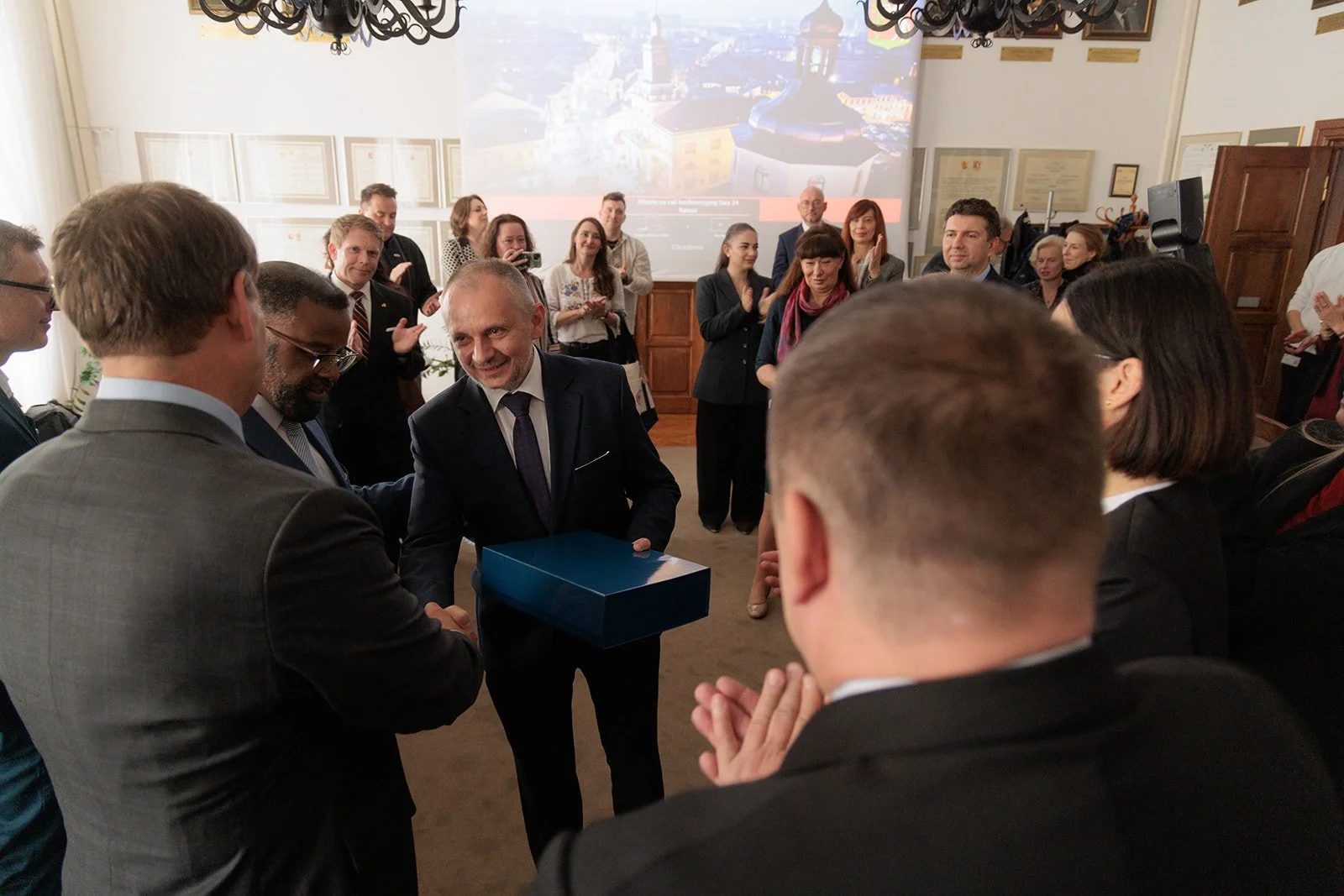
Dnipro & Grand Rapids Sign Twinning (Sister City) Agreement The Twinning agreement between Dnipro Ukraine and Grand Rapids in the US was signed in Lublin, Poland, which is already a twin city (Sister City) of Dnipro. The Mayor of Dnipro Borys Filatov called this arrangement symbolic: Three cities from different countries come together through their shared history and support for Ukraine.
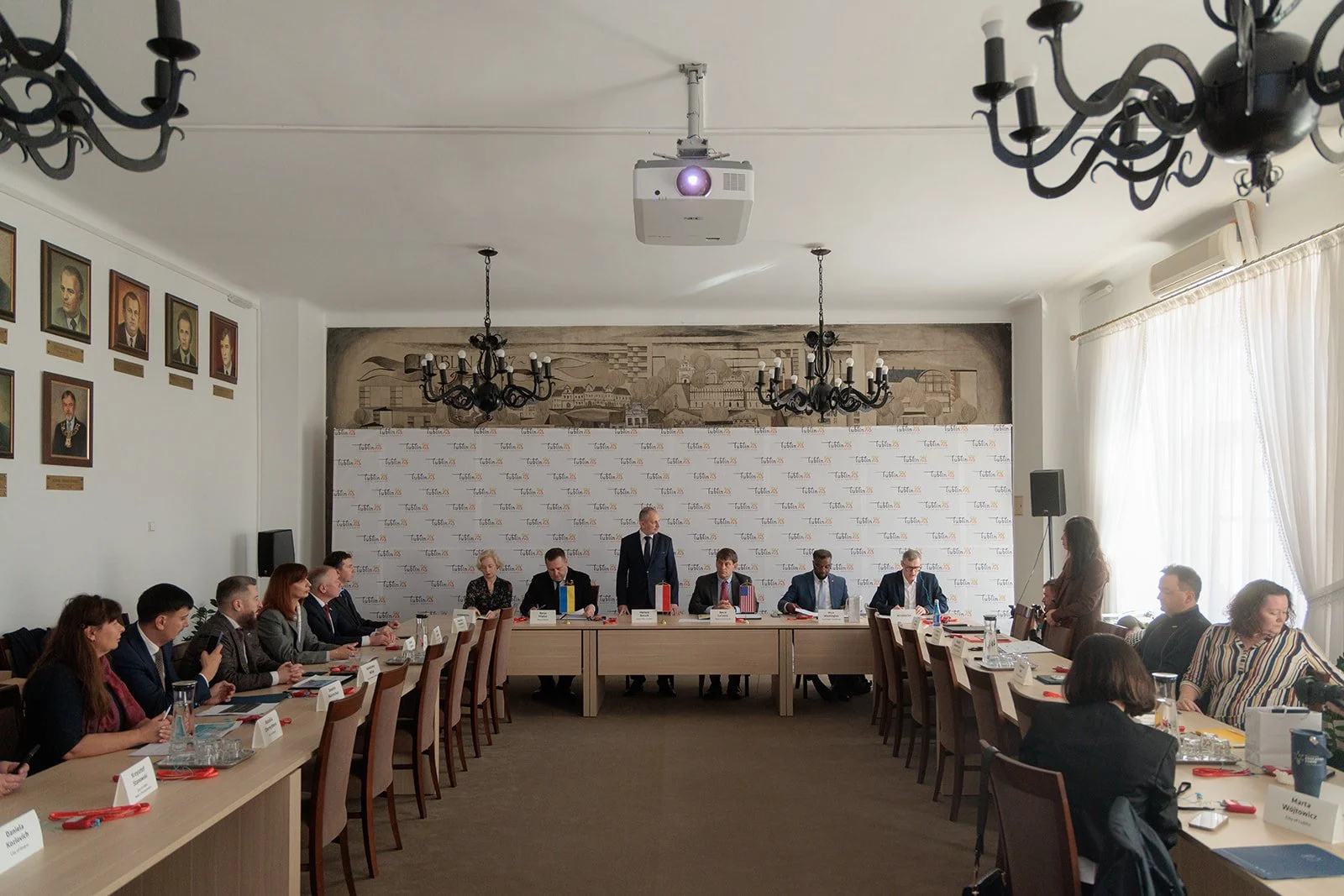
Welcoming address to both cities by Mr Mariusz Banch, Lublin’s Deputy Mayor for Education
The practical areas of cooperation are outlined in Grand Rapids City Commission Resolution No. 95930 dated 11 August 2026. The Commission approved the establishment of a partnership with Dnipro and authorized the mayor to sign the agreement. The resolution refers to the cities’ shared interests in the areas of educational exchanges, cultural cooperation, economic development, municipal innovation and interaction between community members. The resolution was published in the minutes of the Grand Rapids Commission meeting.
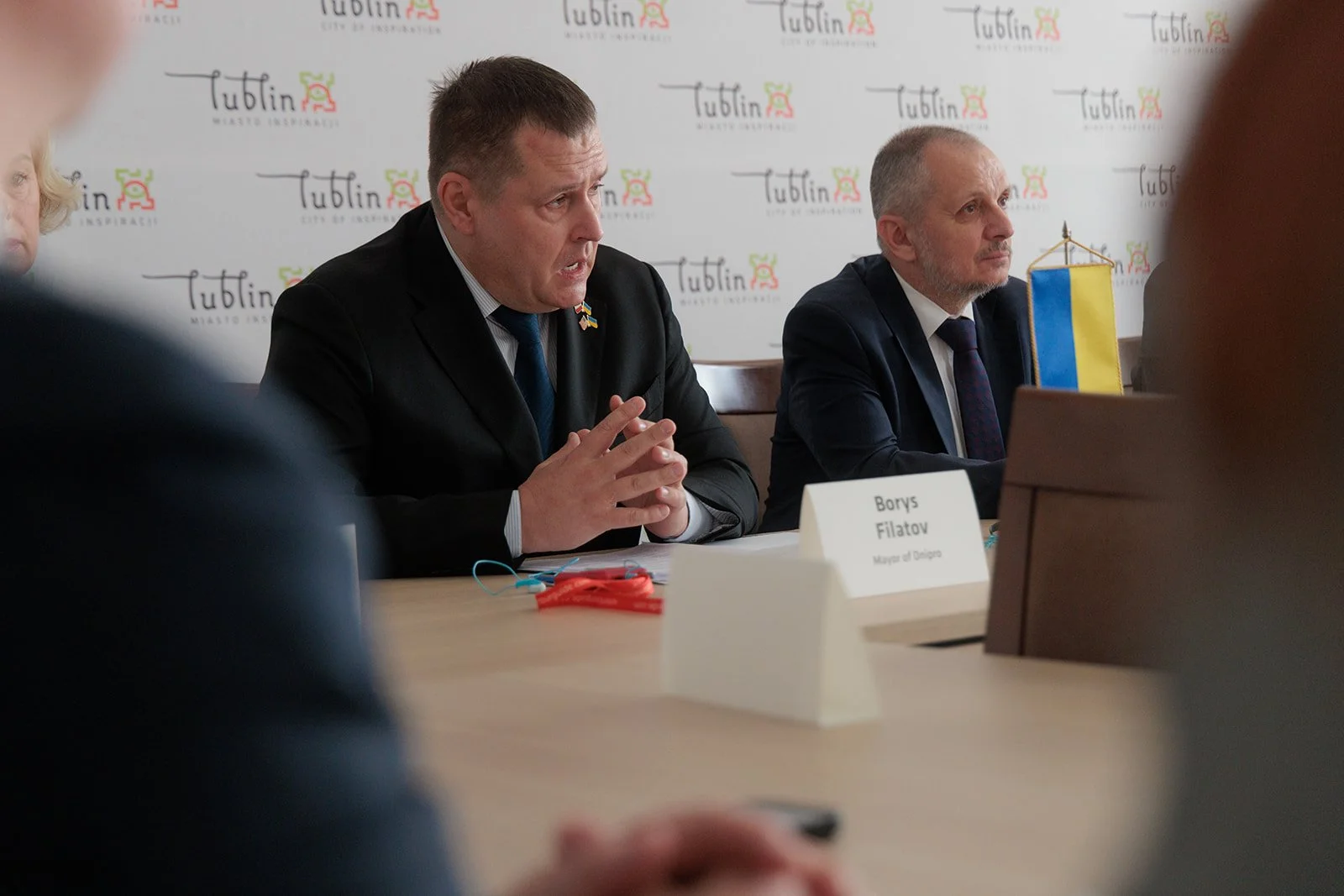
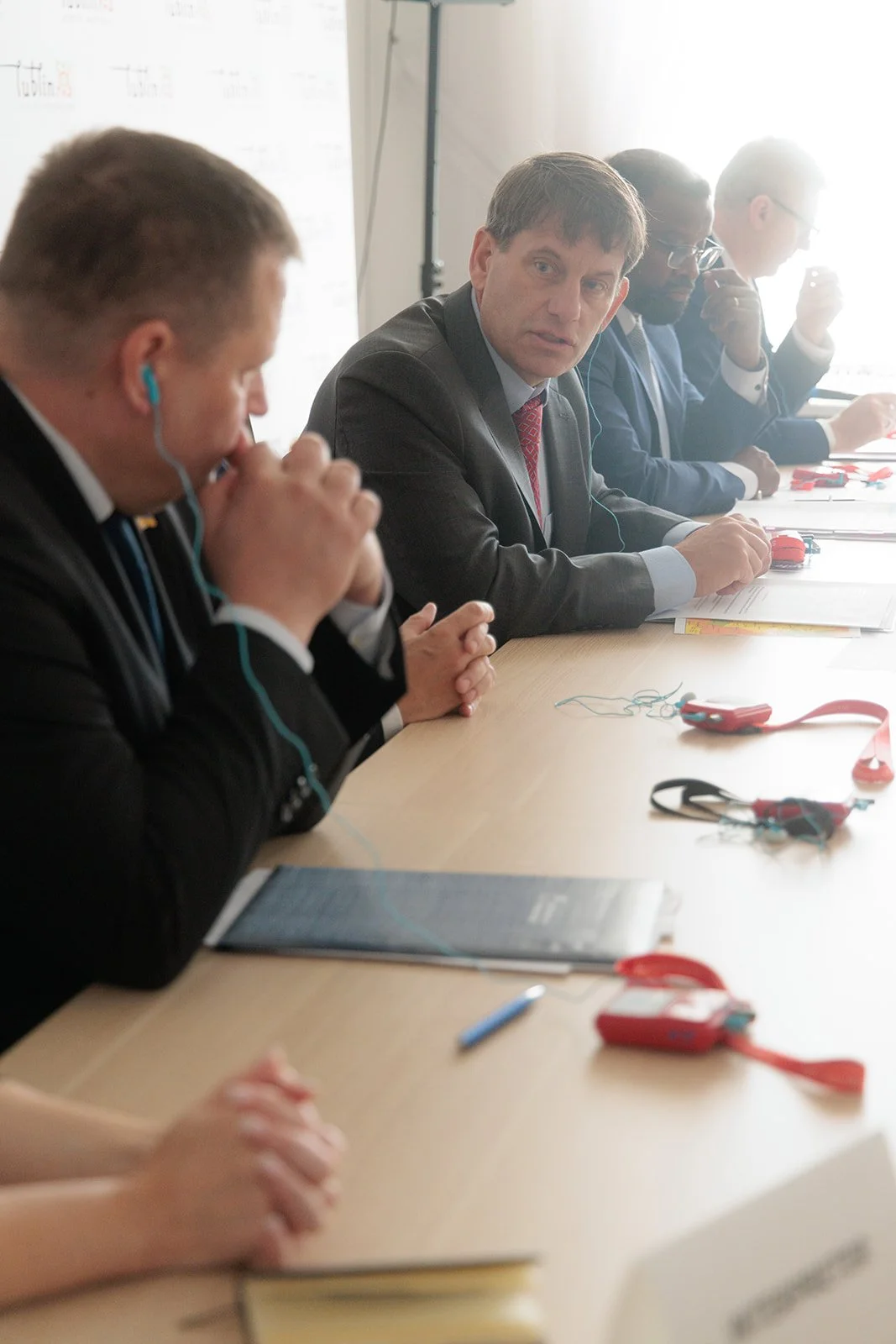
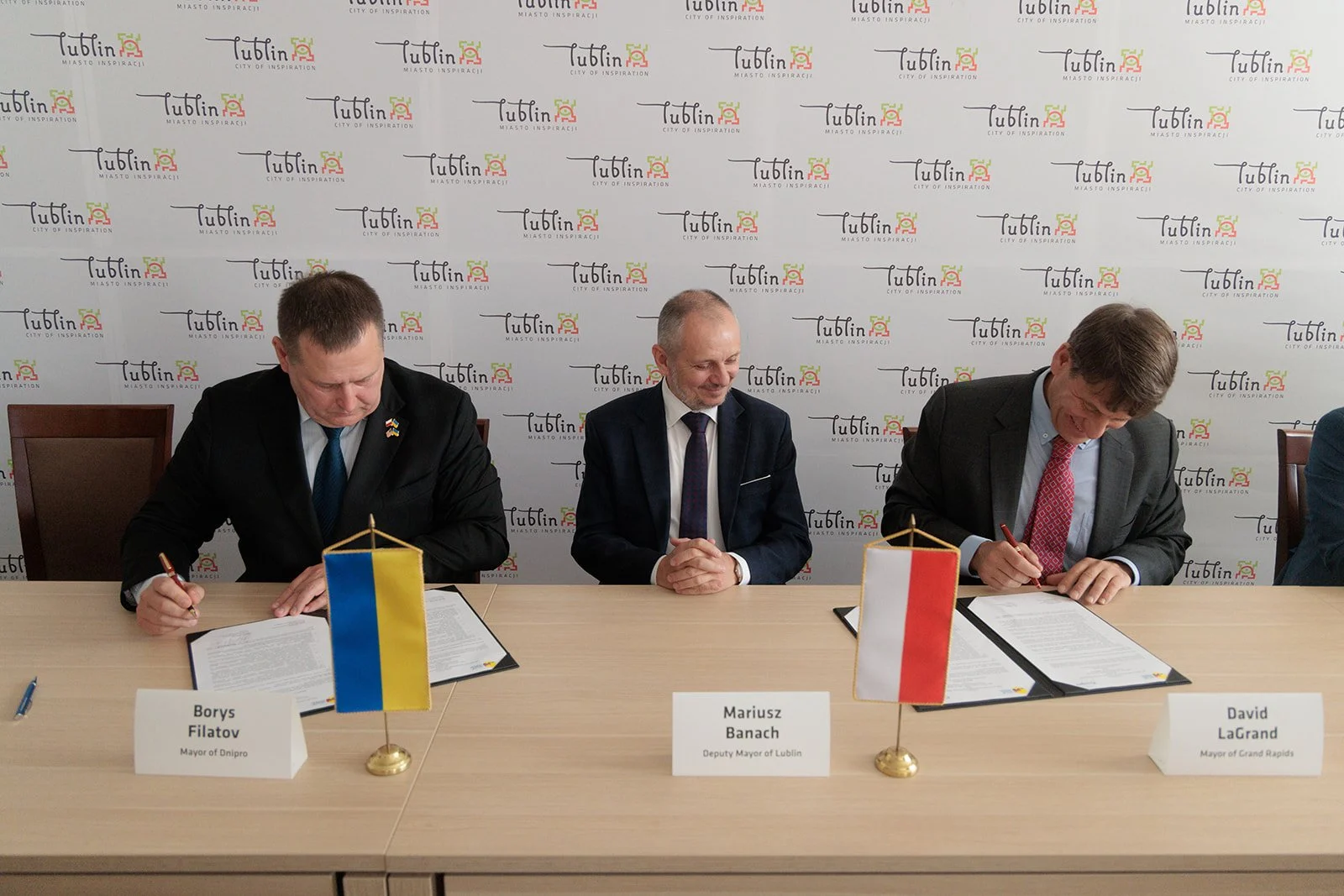
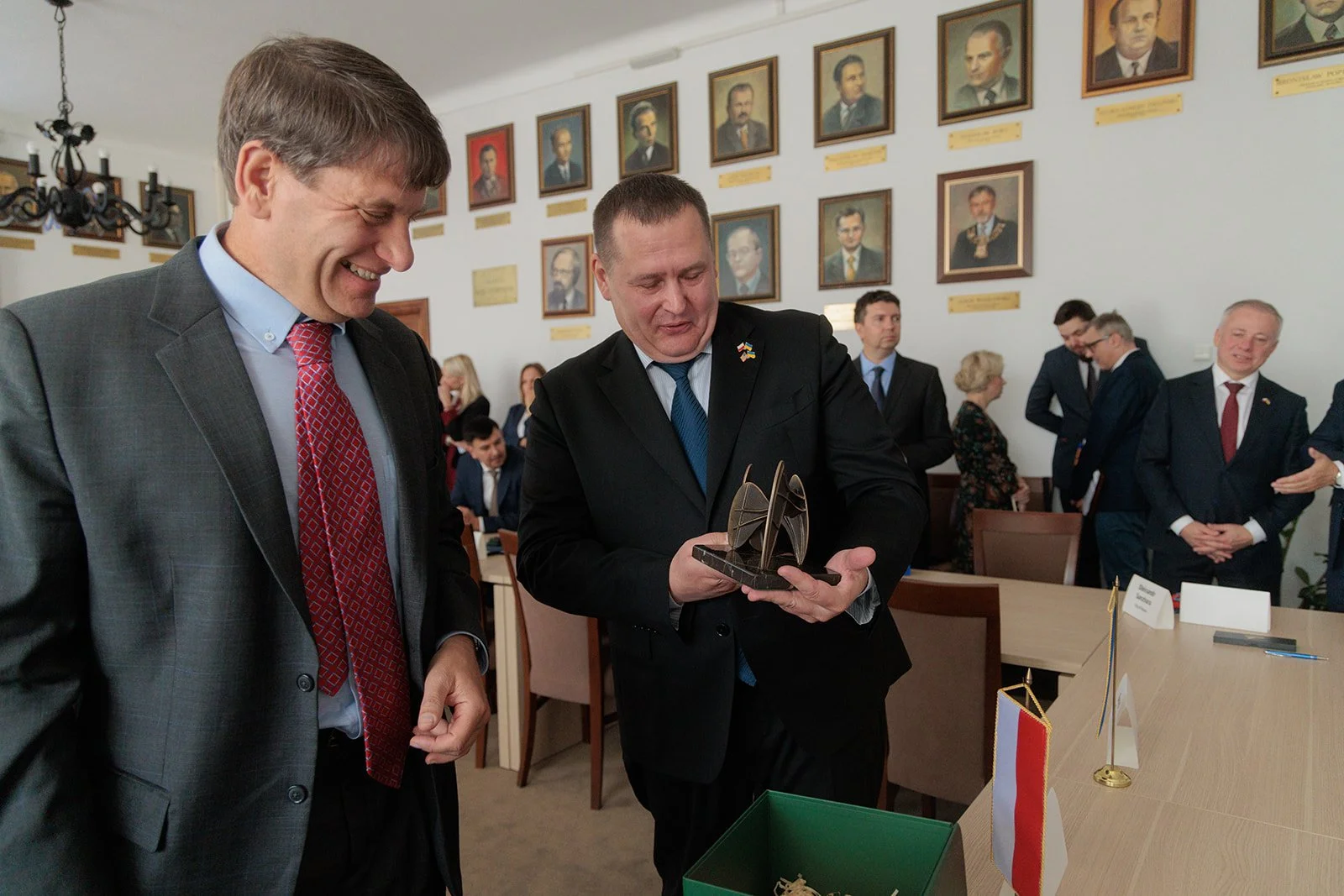
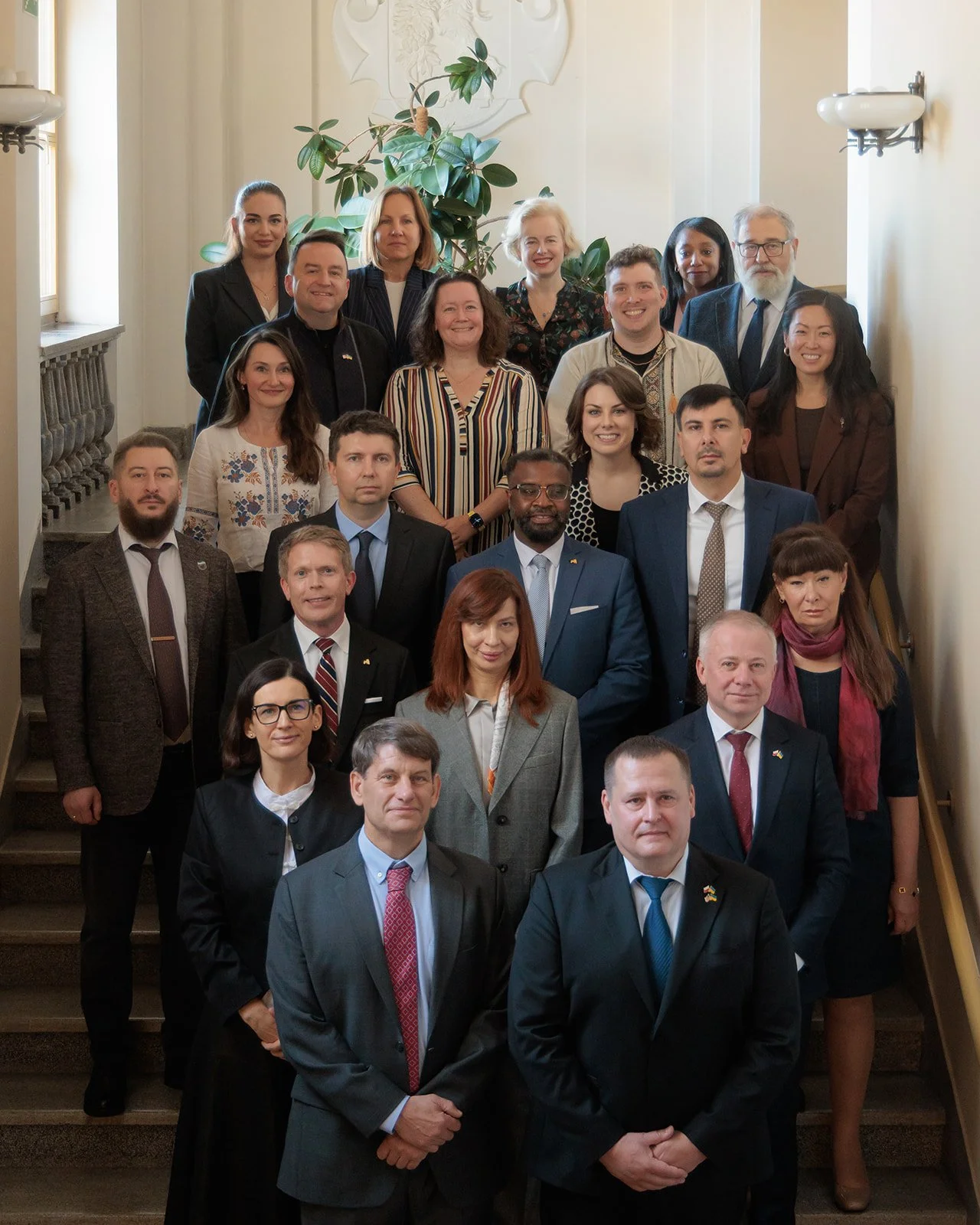
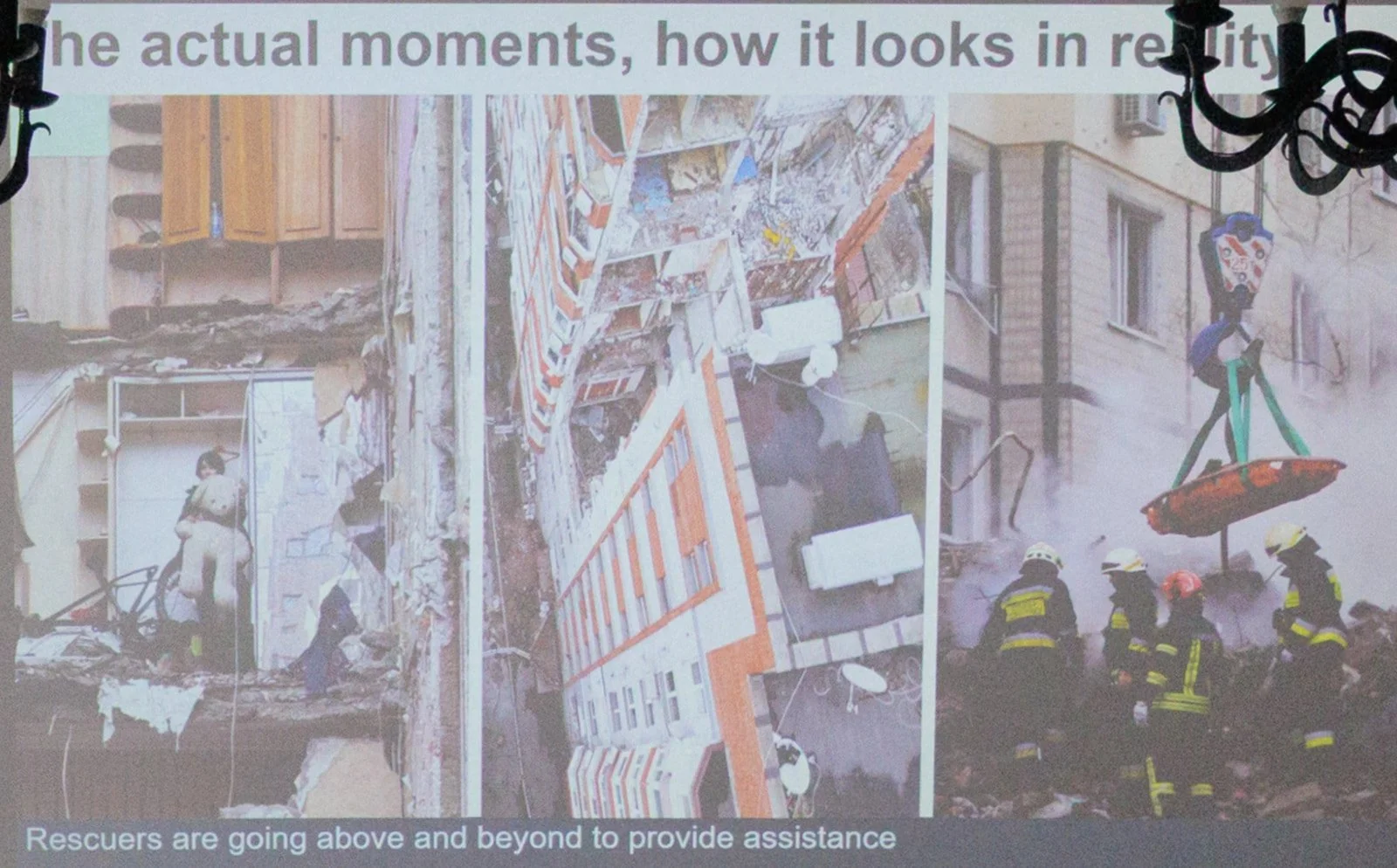
During the ceremony, the Mayor of Dnipro remained in contact with Dnipro's municipal services. His Grand Rapids and Polish counterparts were able to see, via his phone, what was happening in the city, which is under daily Russian attack.
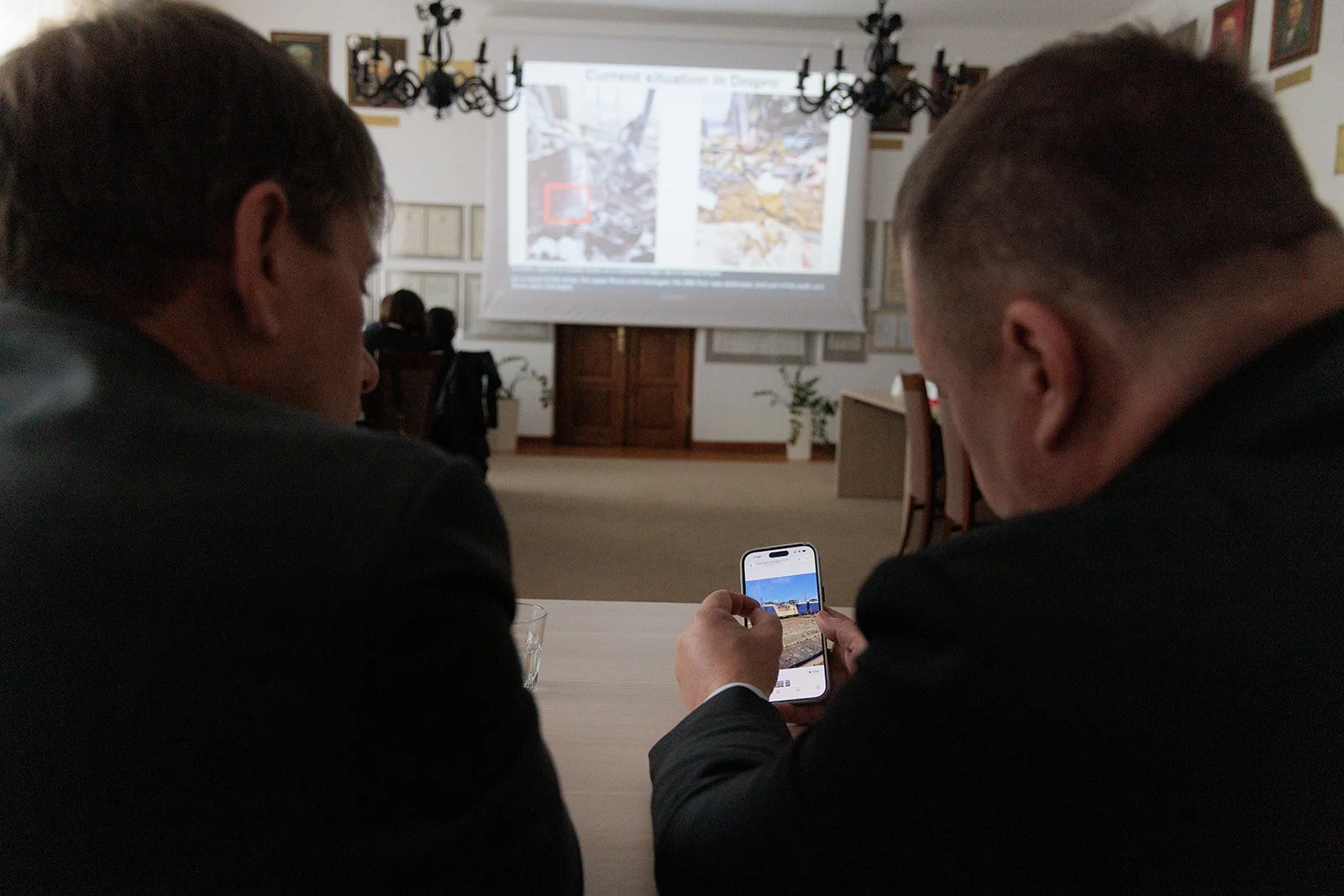
Dnipro Mayor Borys Filatov shows Grand Rapids Mayor David LaGrand damage sustained to some of their commuter train cars.
The following Thursday while some American delegates were still en route home, Russian missiles targeted a commuter train at Dnipro’s main station, killing 13 [source].
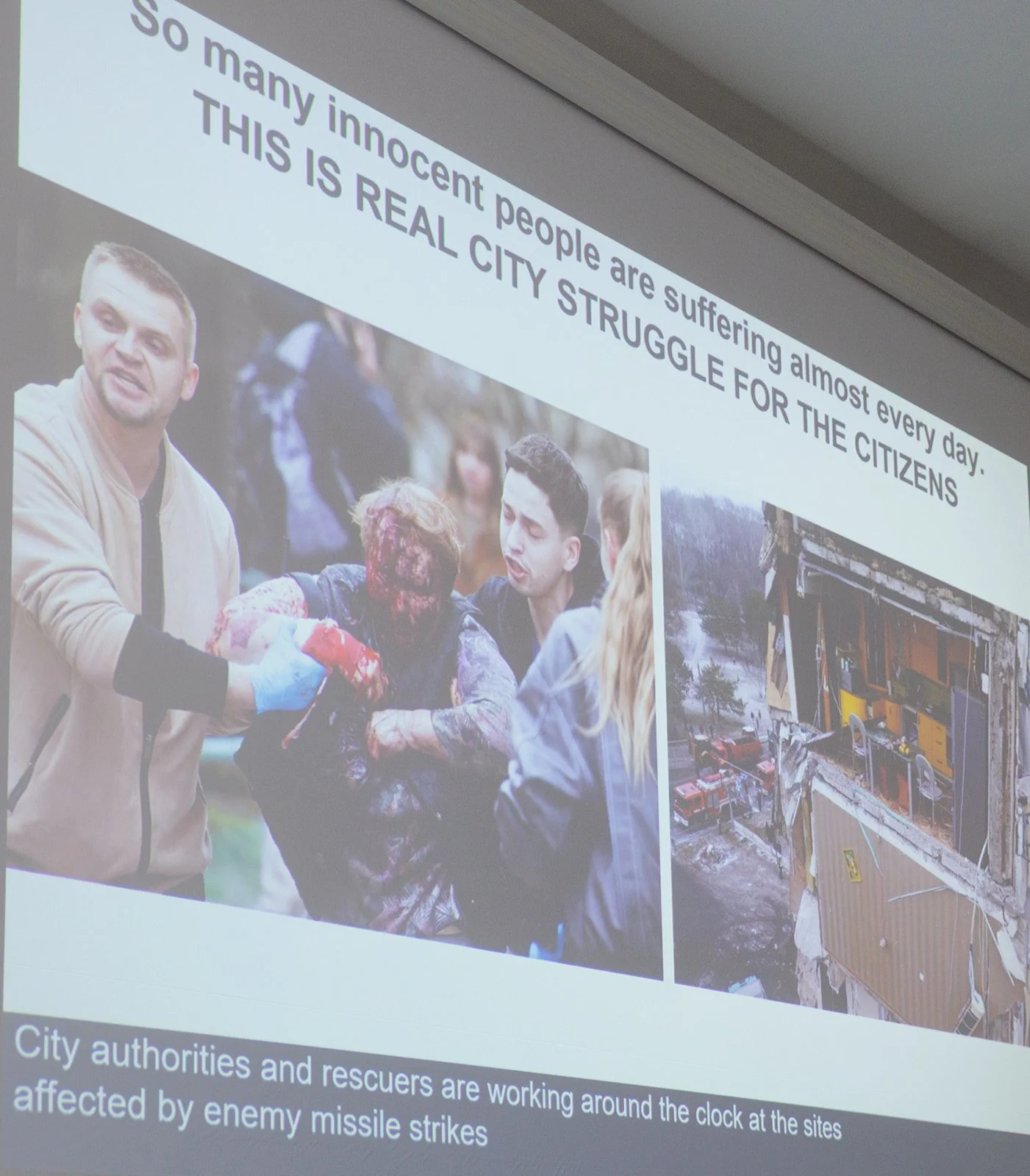
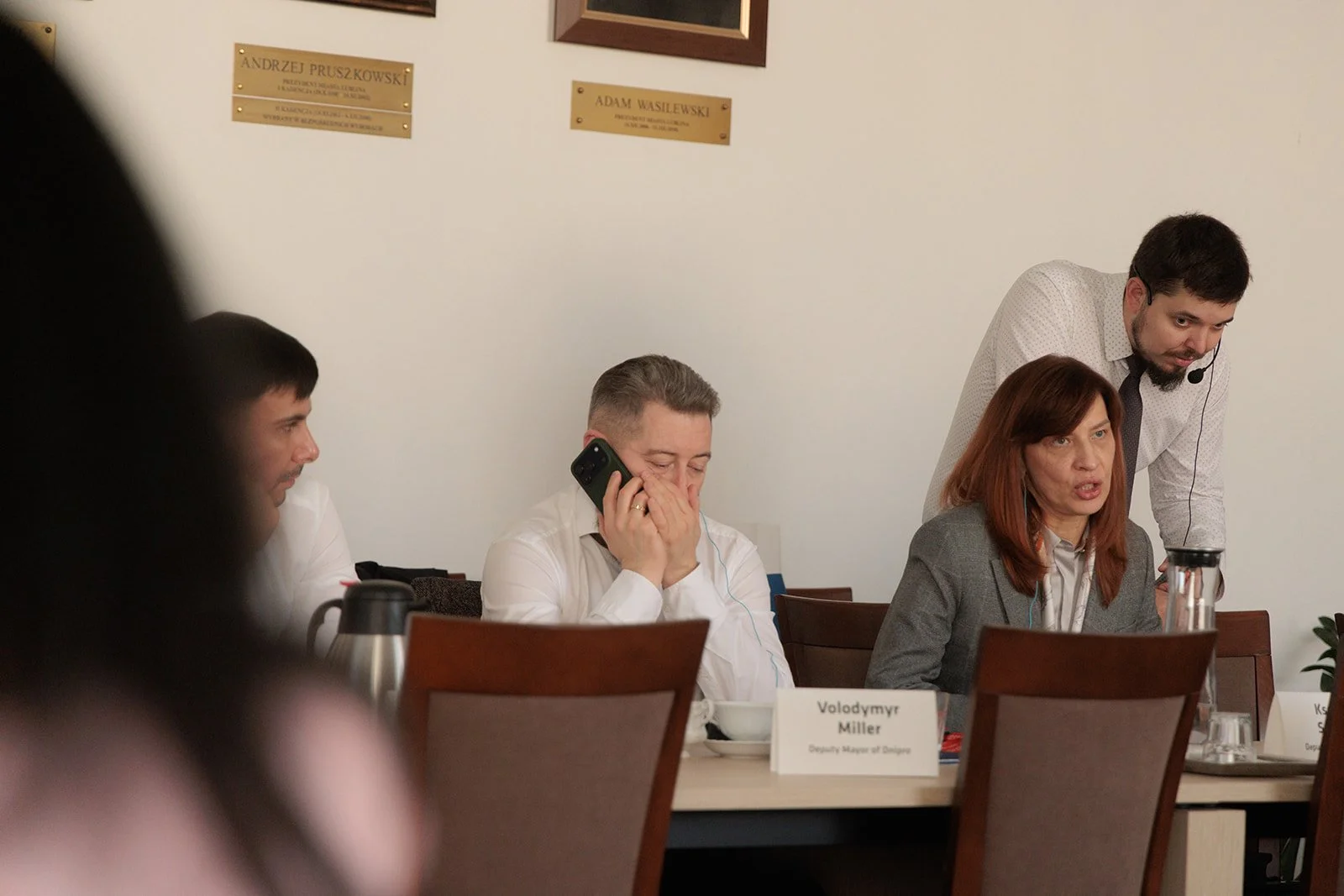
Officials receive word from city police that a Coca-Cola factory in Dnipro was the target of Russian strikes that very morning, 3 injured.
In his speech, Borys Filatov emphasized that, for him, Ukrainian resistance is not a matter of political agreements or geopolitical strategies. He spoke of survival, the preservation of national identity, and the safety of families:
'This is about survival. About preserving the national identity of millions of people. This is about being able to put our children to bed without fearing that by morning they will be pulled out from under the rubble in pieces.'
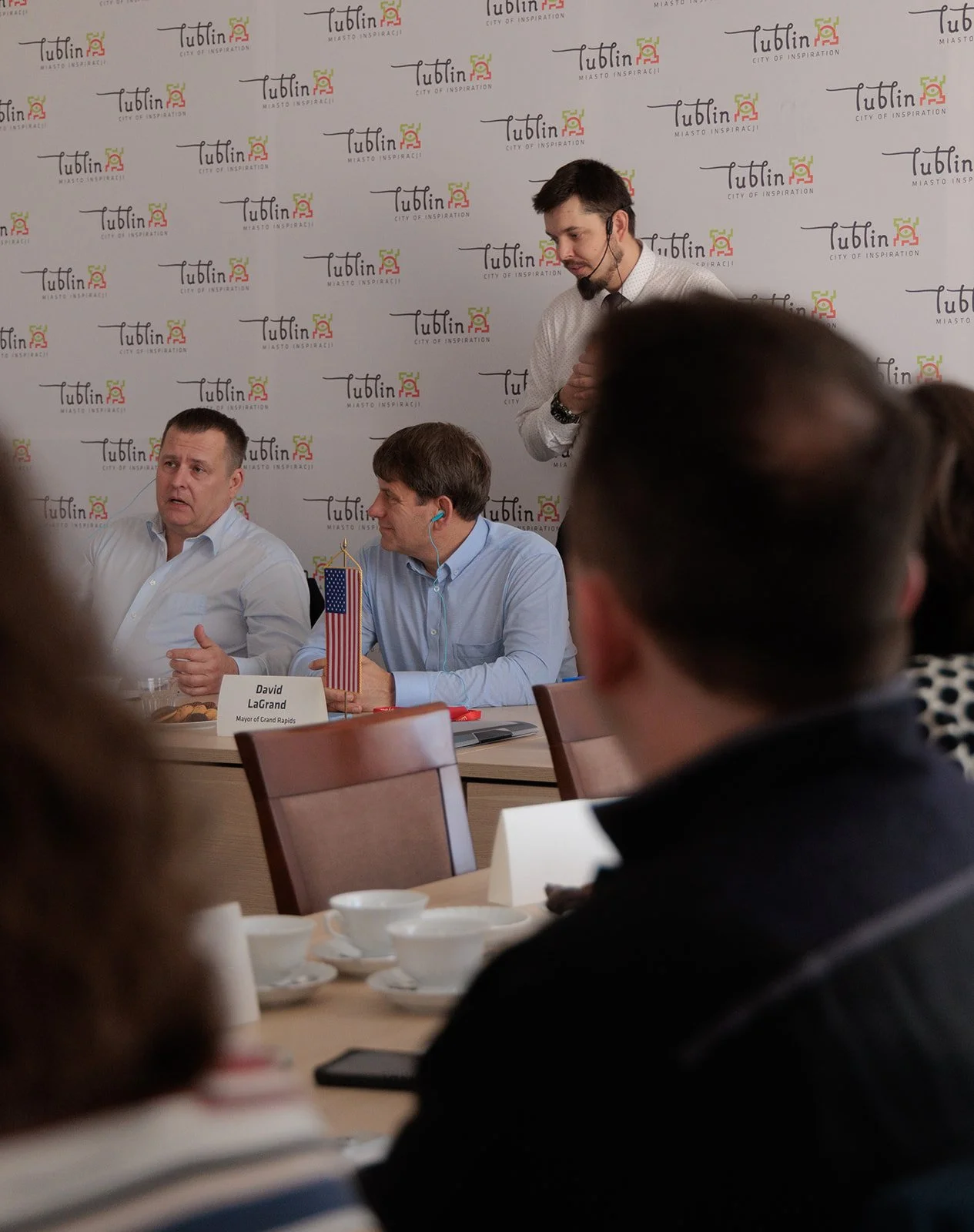
"We try to continue our lives."
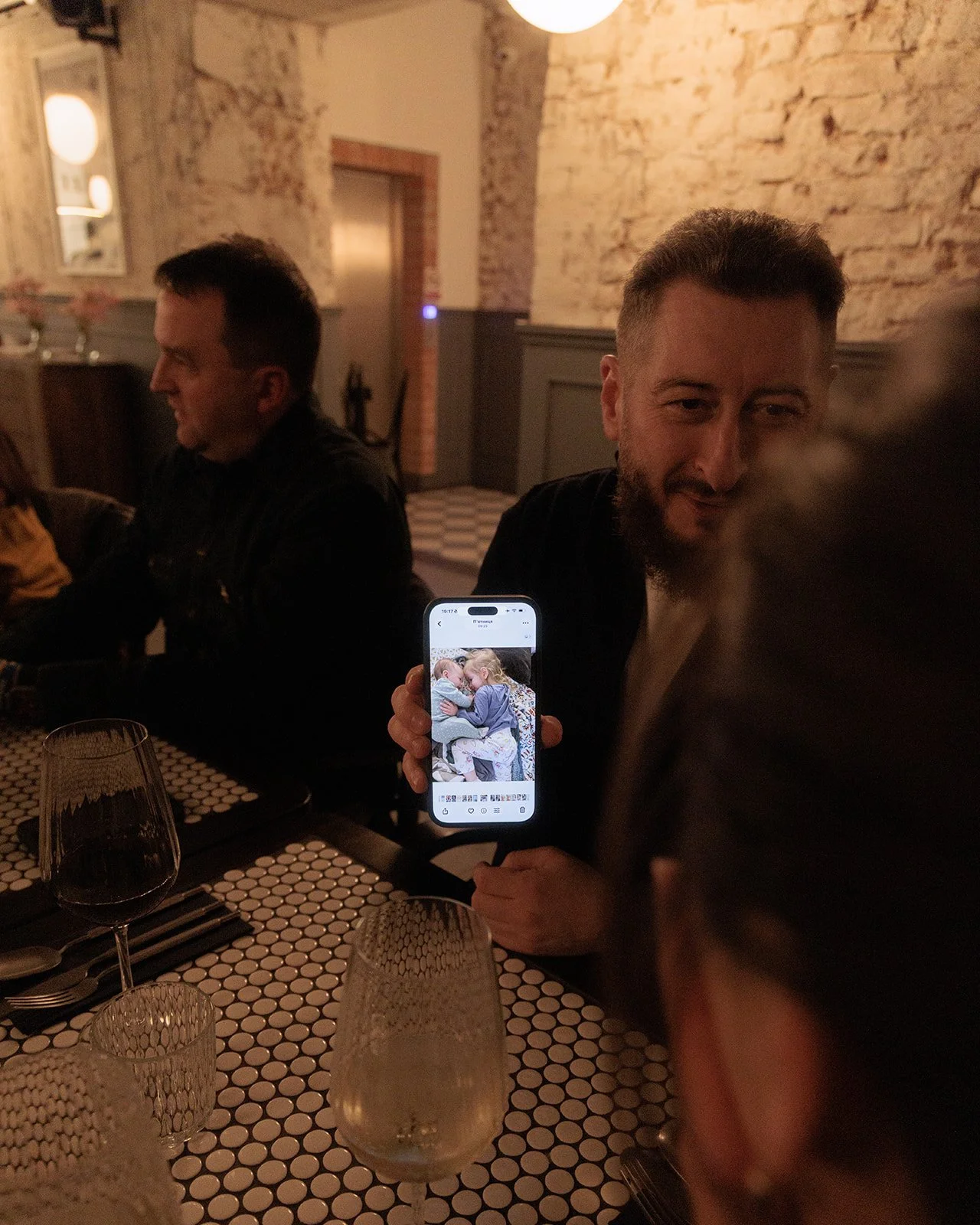
said Mr Volodymyr Miller, Dnipro Deputy Mayor
to Rev Katherine Lee Baker of GRSCI at dinner the night before. He has 3 daughters ranging ages of 15 years to 3 months,
"their smiles give me the sense to hold this responsibility for the city."
The Mayor also drew attention to how the war is affecting even relations between communities. He said that local self-government is focused on the interests of its communities, but the political situation is becoming increasingly intertwined with their work.
'In fact, if our meeting had taken place a few months earlier, I would under no circumstances have commented on issues of international politics. Because local self-government is about the interests of the community, not the global agenda. However. the political situation has crept in even there.'
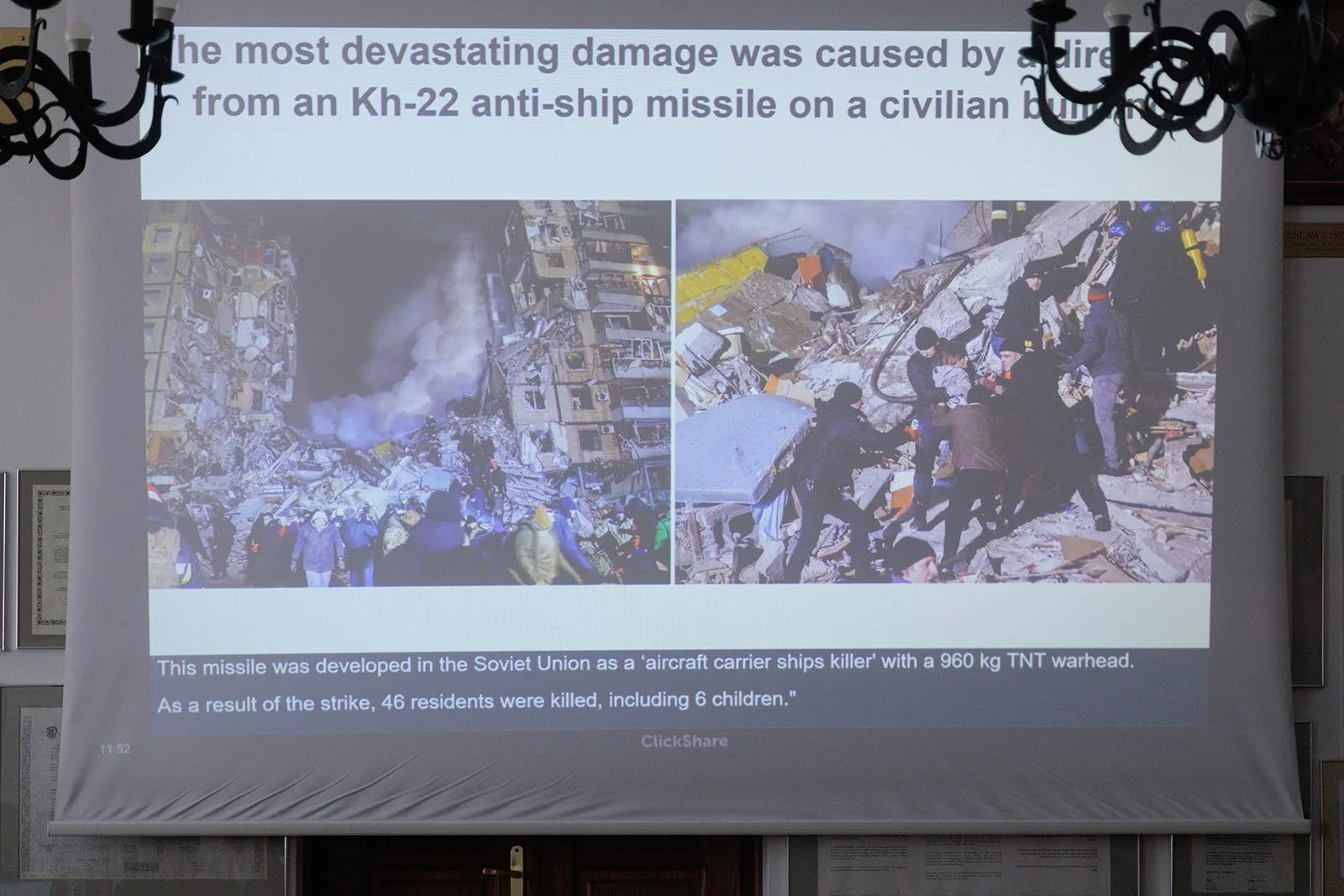
At the same time, Borys Filatov emphasized that he distinguishes between the positions of the political elite and the attitudes of the people. He expressed his conviction that the majority of Poles and Americans support Ukraine, and recalled the shared interest of Ukraine and Poland in freedom and security.
‘Because anyone who understands the causes and consequences of Russian aggression knows that without a free Ukraine, there will never be a free Poland. And the slogan "Za wolnose nasza i wasza" with ring out like a refrain for as long as bloodthirsty Russia remains on our doorstep.'
Additional Presentation Notes: -
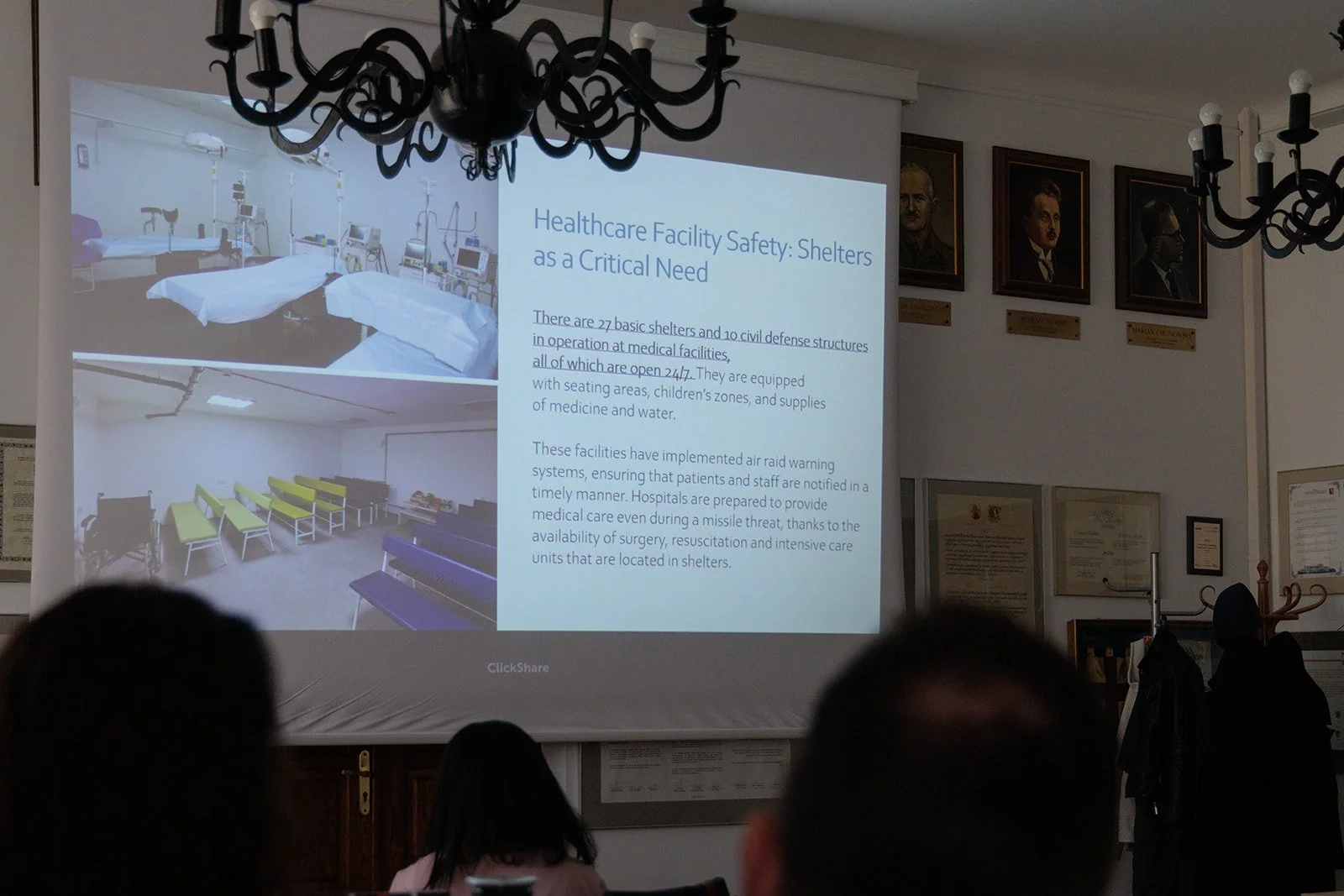
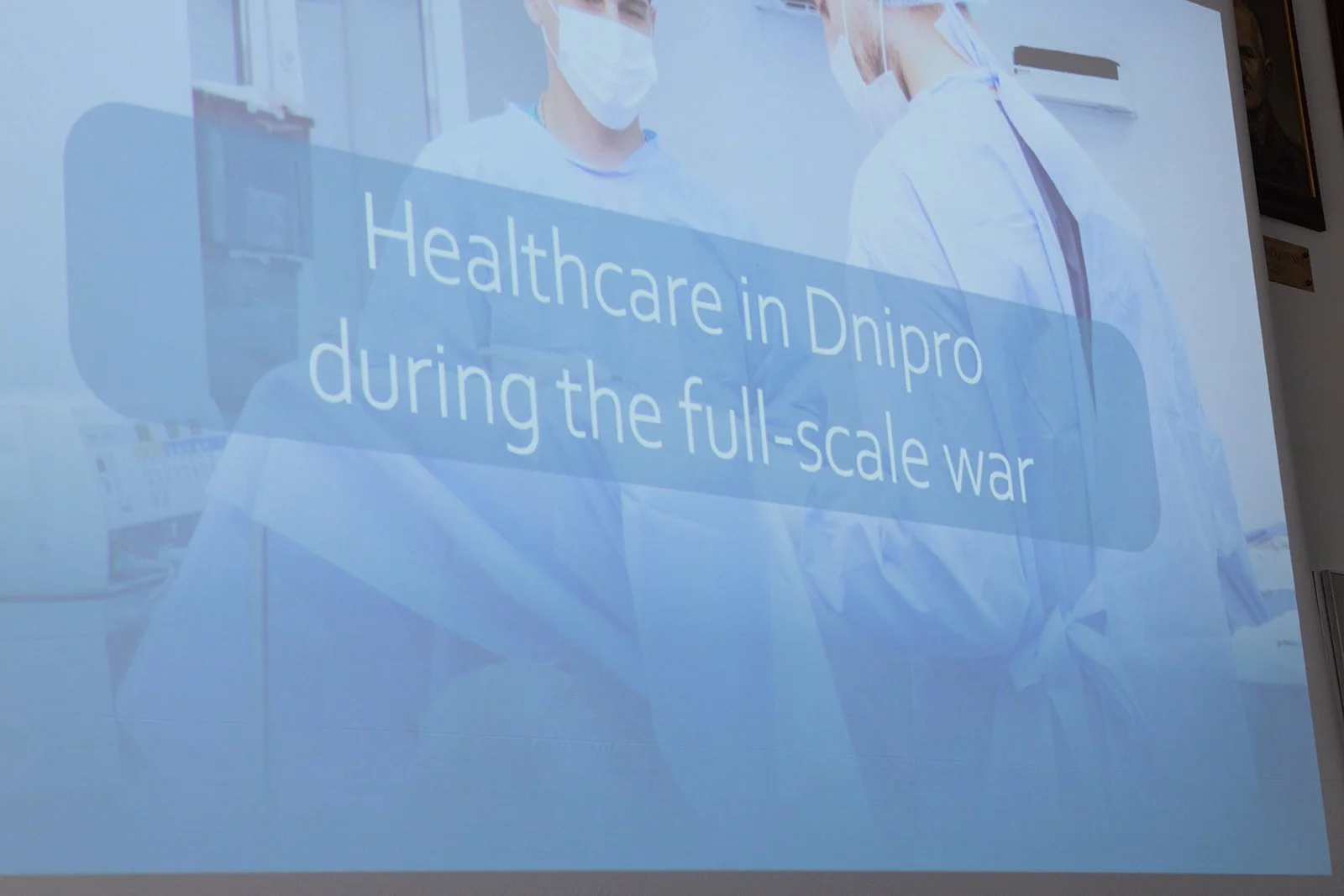
Dnipro is a medical city, and is the main medical hub for combat zones.
Mr Boris Filatov, Mayor of Dnipro in response to 'Healthcare in Dnipro during the Full-Scale War' Presentation by Ms Natalia Chernyshova says:
"They say there are 2 armies in the world who know modern warfare: Russia and Ukraine. That also means modern medical care and academic research, pharmaceutical and healthcare, and plenty of experience with difficult surgeries."
In hopes that their connections with GR will allow for the exchange of medical knowledge, training our doctors to work in such conditions as well as the exchange of technological medical advancements. "It is under terrible circumstances, but we are ready to share [our knowledge]," said Boris.
Dnipro doctors have been treating war and trauma victims since 2016 after the first invasions. Covid was also a burden on Dnipro, and they have worked with limited resources during the 2022 full scale invasion.
Two years ago Russian missiles leveled the Mental Health facilities in Dnipro. They have been managing without those facilities ever since, dealing daily with mental health and trauma due to sirens, attacks and long days underground. Mayor Filatov said, "If our mental hospital wasn't destroyed I would be admitted. Instead I go to work." - A perfect example of Ukrainian black humor. -
Current State of Education in Dnipro discussion by Ms Ksenia Sushko stated, "Fact: As of Sept 1st when our children went back to school there was not one day w/o aerial alerts. the longest duration of time without sirens was 11 hours. Our children grow up hearing things no child should hear.”
Schools were the first places to open its doors for children to study, stay warm and fed. Ms Sushko added,
"Our educational process has continued underground to the subway systems, there is no other safe place. there are educators there who read to the children to drown out the alarms. Rocket attacks burned our busses, so we have collected busses for years and with the few we have bring 9k children to school each day, which is complicated during the blackouts."
Remote study is only possible when there is electricity and internet. These underground stations provide shelter, medical, food, heat, charging stations for phones, places to sleep. It also cares for Dnipro's pet population.762 children in Dnipro have been killed since the start of the war. 165 school facilities have been damaged.
Ms Sushko added,
"the city leaves no one behind. But our shelters require add'l equipment; for mothers, infants and the elderly. This is all voluntary work and w/o support it is difficult to live in such tension. Some families leave, some come back - we are a free country and cannot calculate the migration scale. in 2022 1,700 children left our city. We had 100,000 now we have 80k. But we also became a shelter for those who came from hell itself. We give them hope." -
Currently Dnipro has roughly 1 million residents + 200,000 refugees who need work, food and shelter.
Dnipro Mayor Mr Boris Filatov's response to ‘Current Situation in Dnipro’ presentation by Mr Severin Marynchuk:
"this war is so awful the any help will still not be sufficient. The losses are so big." For examples, "Russians destroy 600 trains, we received 10 from Finland. The state needs to cover the needs of the State; Dnipro is considered to be a rich local government and there are smaller communities completely destroyed, they are the ones receiving state money first. We must solve our problems on our own, which is why our meeting today creates parallel assistance, with the help of businesses and other countries."Mr Severin Marynchuk:
"all industry of trade center have been destroyed so we need to focus on restoring capacity for trade to rebuild our society." For example,
"they bombed a coca-cola factory in Dnipro just this morning, 3 injured ... children and elderly suffer, Russians don't care they just destroy everything. Only 65% of children are still in schools, we have to build for their future."From Resilience to Development presentation by Mr Volodymyr Miller:
"Dnipro will be the center for future reconstruction of Ukraine. To push a renewal of economy there will be an ocean of industrial parks, local incentives and building development future after the war. We want to attract business from US and Poland, among others to provide need for Ukraine. If we want to start building in a few years we'll need to be ready to build back better now."
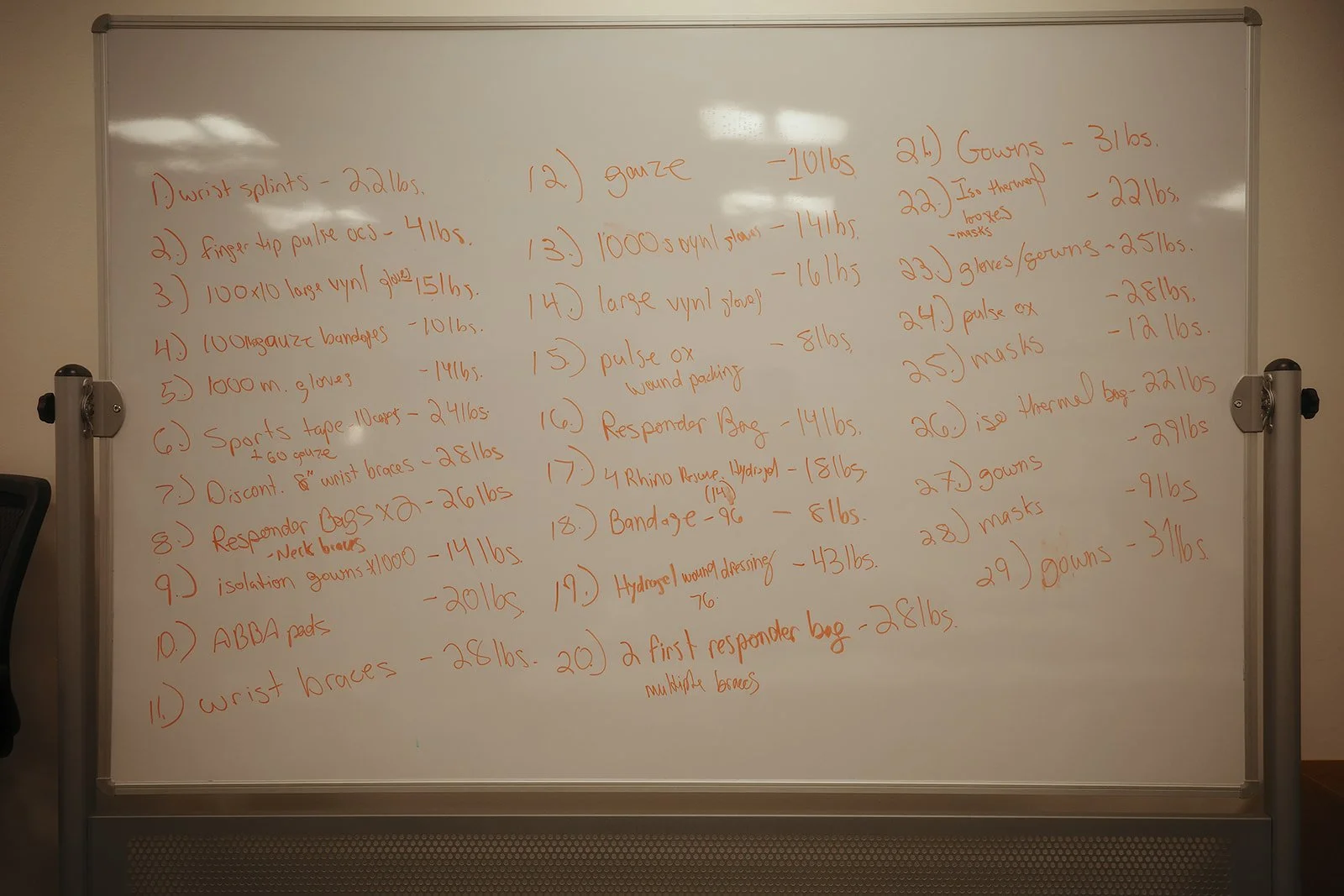
Local medical supply donations being inventoried and weighed at Grand Rapids City Hall the week prior to the signing in Lublin. The original plan was to mule the supplies via the delegations’ checked luggage. However, impassioned City Hall representatives and GRSCI volunteers pulled strings to find a better solution to send more aid.
Full list of donated supplies and participators here.

Roughly ½ ton of locally donated medical supplies loaded on the tarmac at Grand Rapids International Airport headed to Lublin on October 16th, 2026.
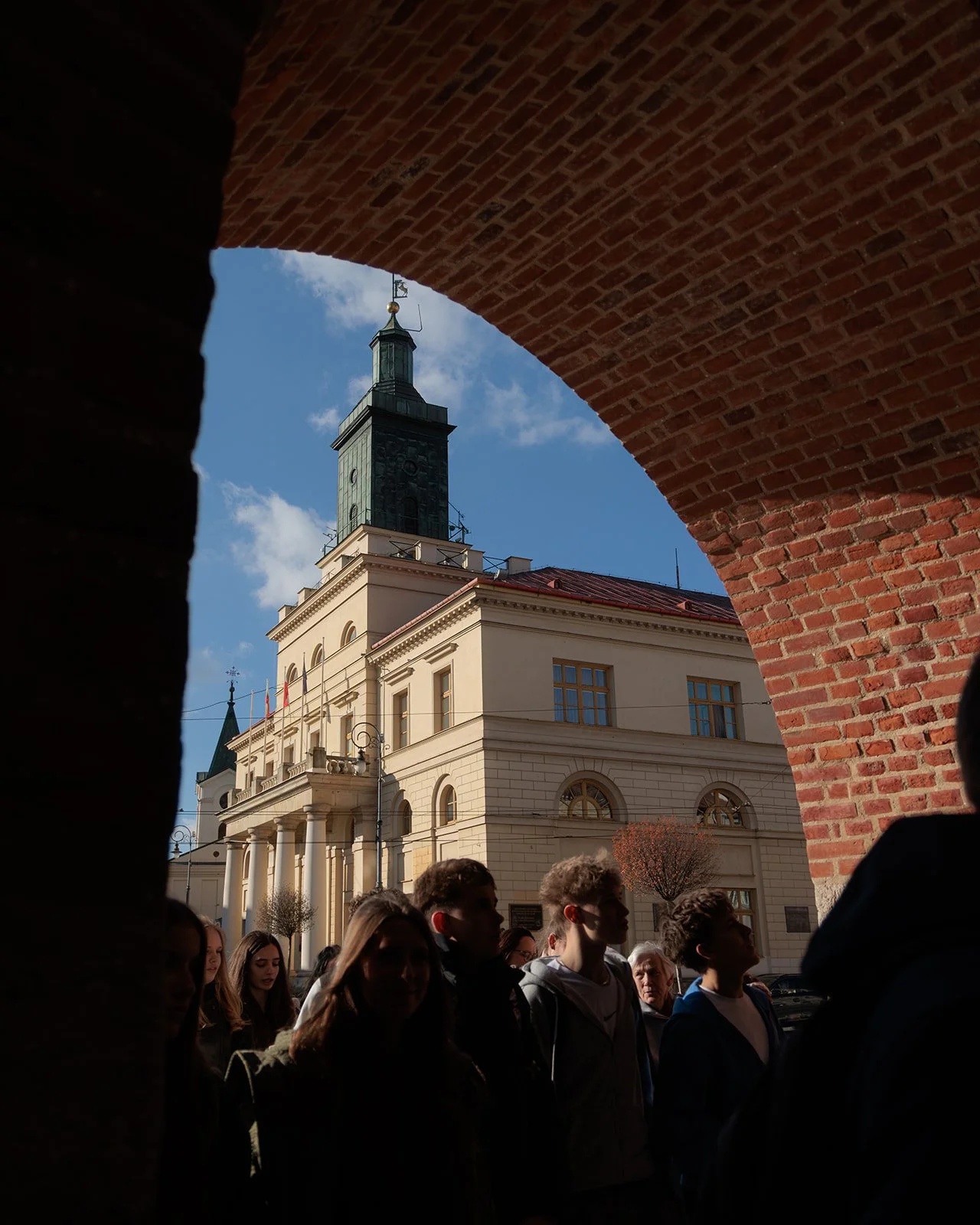
Historic Lublin Town Hall
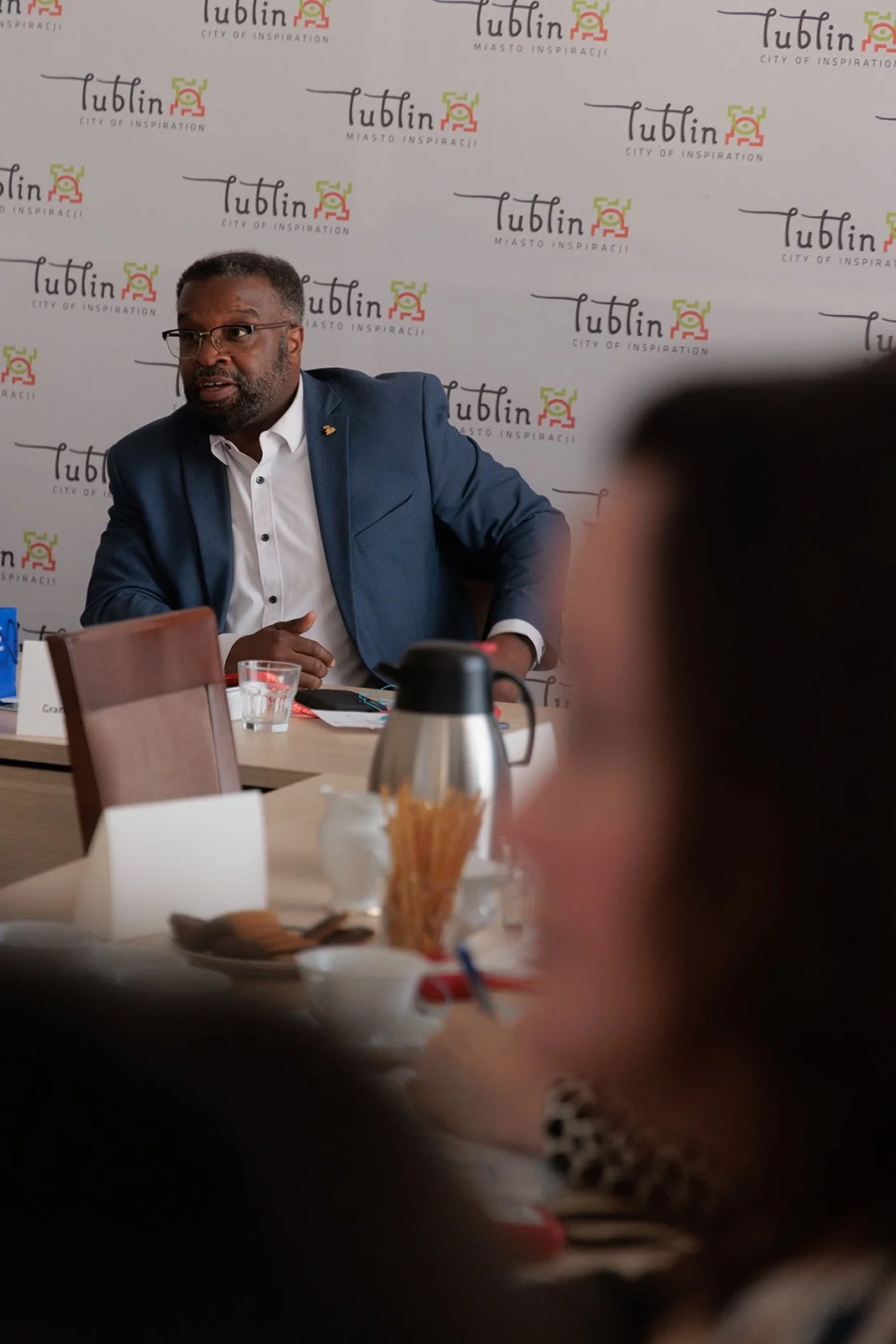
Grand Rapids City Manager Mark Washington
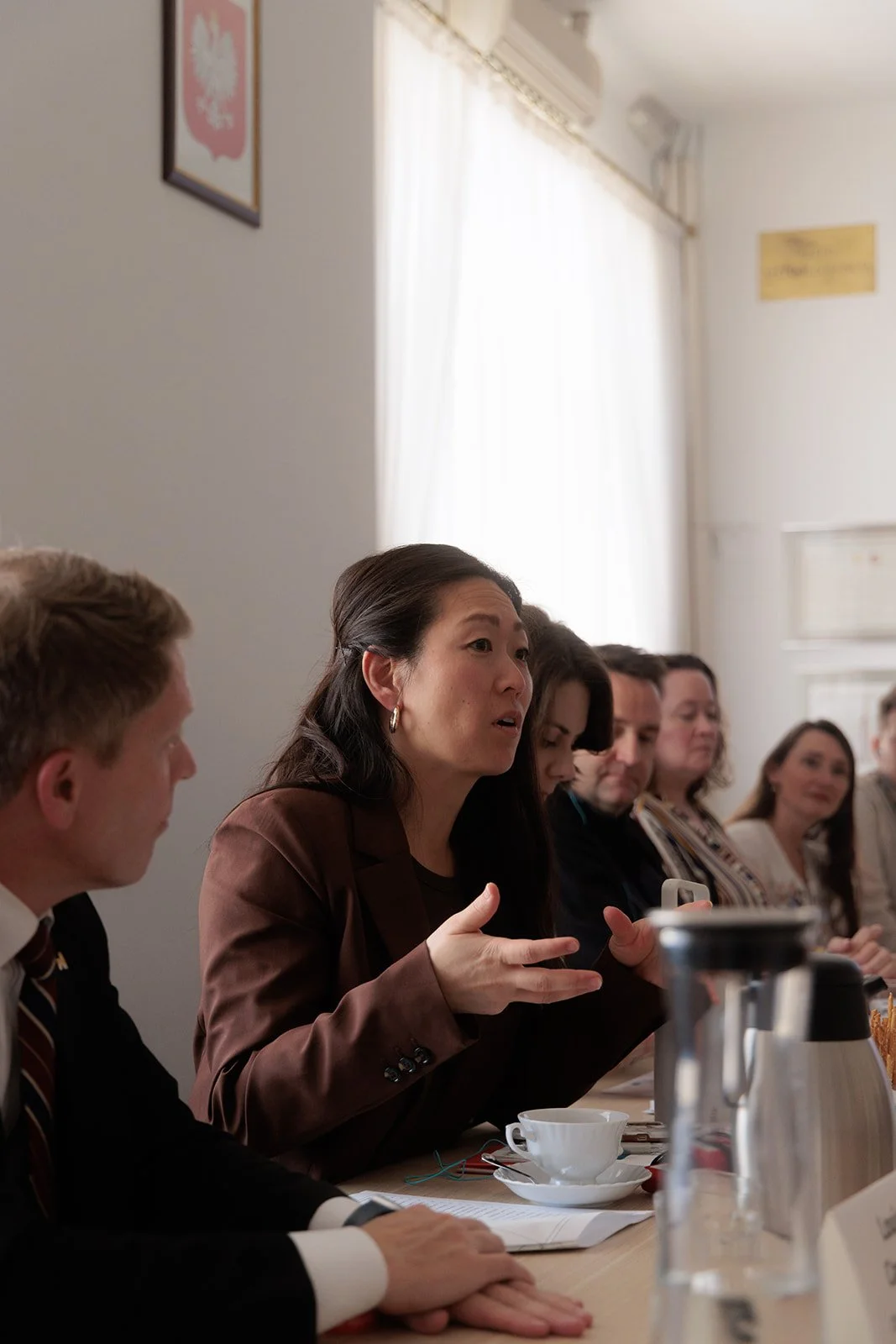
Grand Rapids Sister Cities International chair, Reverend Katherine Lee Baker shares the benefits of sister city relationships, which in the US are run by passionate citizen volunteers in collaboration with local government and businesses.
According to Borys Filatov, the partnership with Grand Rapids is also important because it demonstrates American support for Ukraine.
'Our friendship with this wonderful city in the state of Michigan is yet another proof for all of us that America is not just its administration in the White House. America is the citizens of a nation that has remained a model of democracy and freedom for 250 years.'
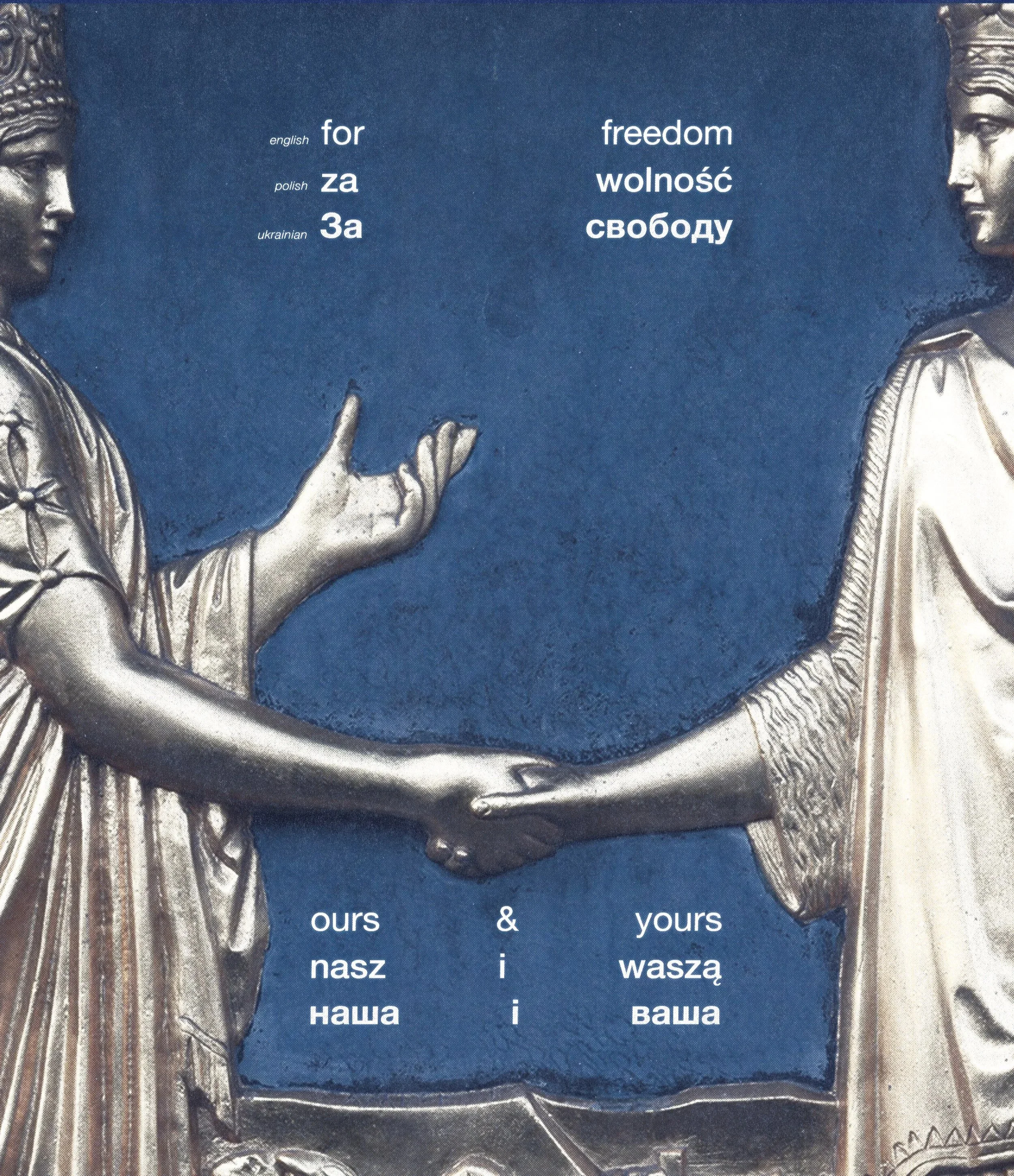
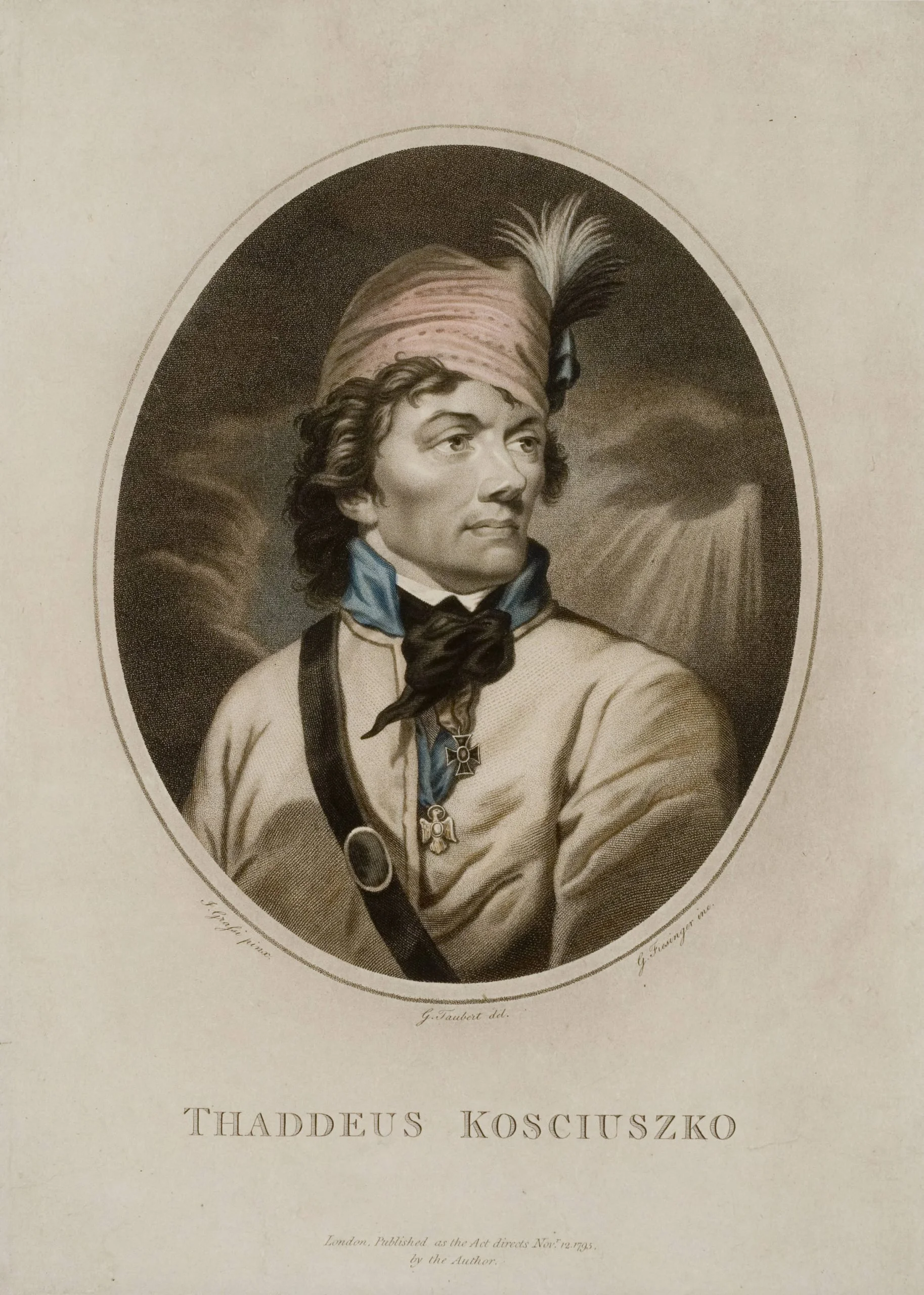
Andrzej Tadeusz Bonawentura Kościuszko (February 4 or 12, 1746 – October 15, 1817) was a Polish military engineer, statesman, and military leader who became a national hero in Poland and the United States.
Tadeusz Koscluszko served as a symbolic bridge between Lublin and Grand Rapids in the speech. Boris Filatov recalled that Koscluszko led the struggle for liberation against the Russian Empire and joined the American War of independence. The Mayor also noted that Lublin honors the memory of Koscluszko, whereas Grand Rapids has a cultural center named in his honor.
'History does not favor parallels, but its intersections are always fascinating. So, perhaps it is no coincidence at all that we have gathered here in this very format.'
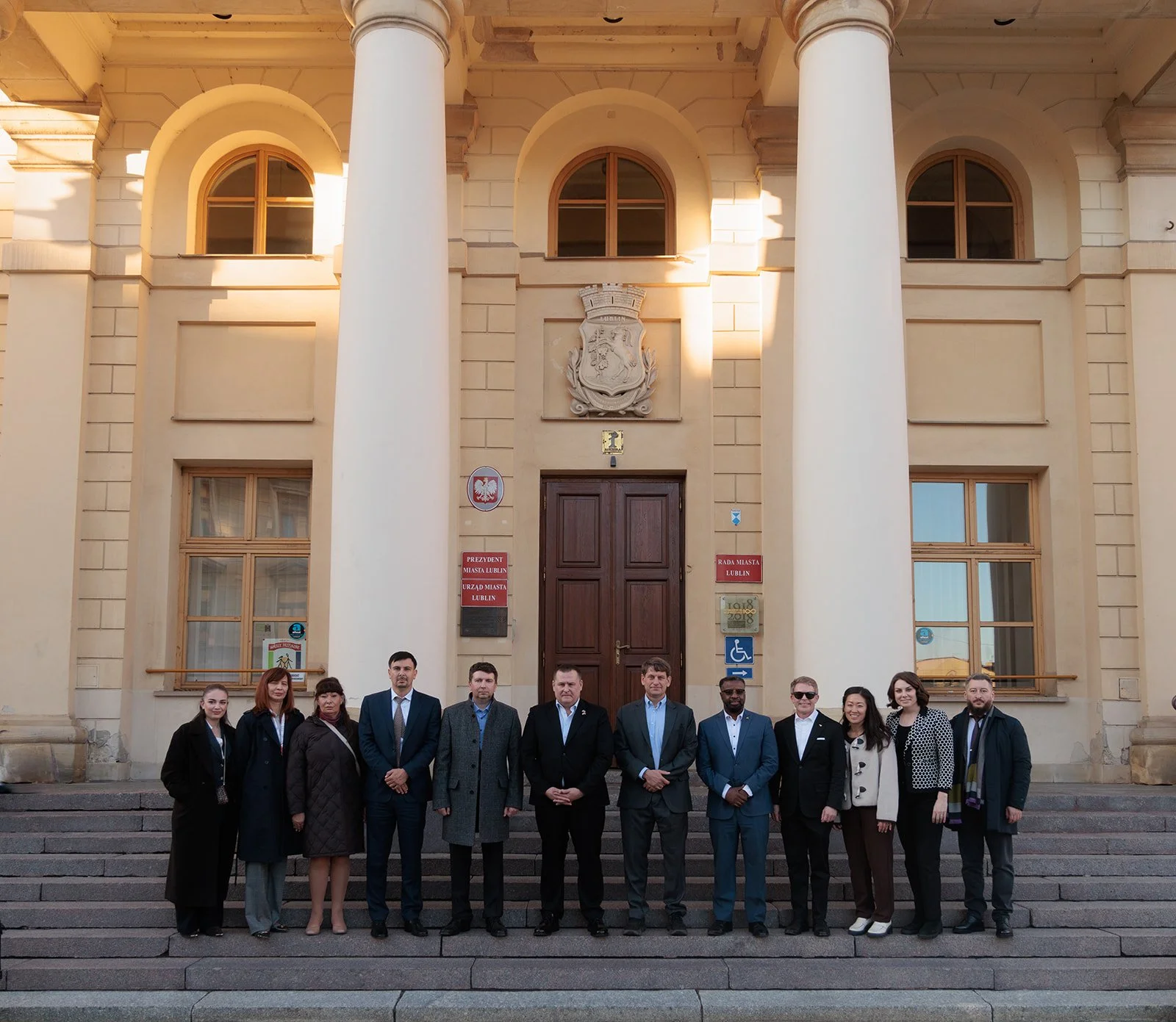
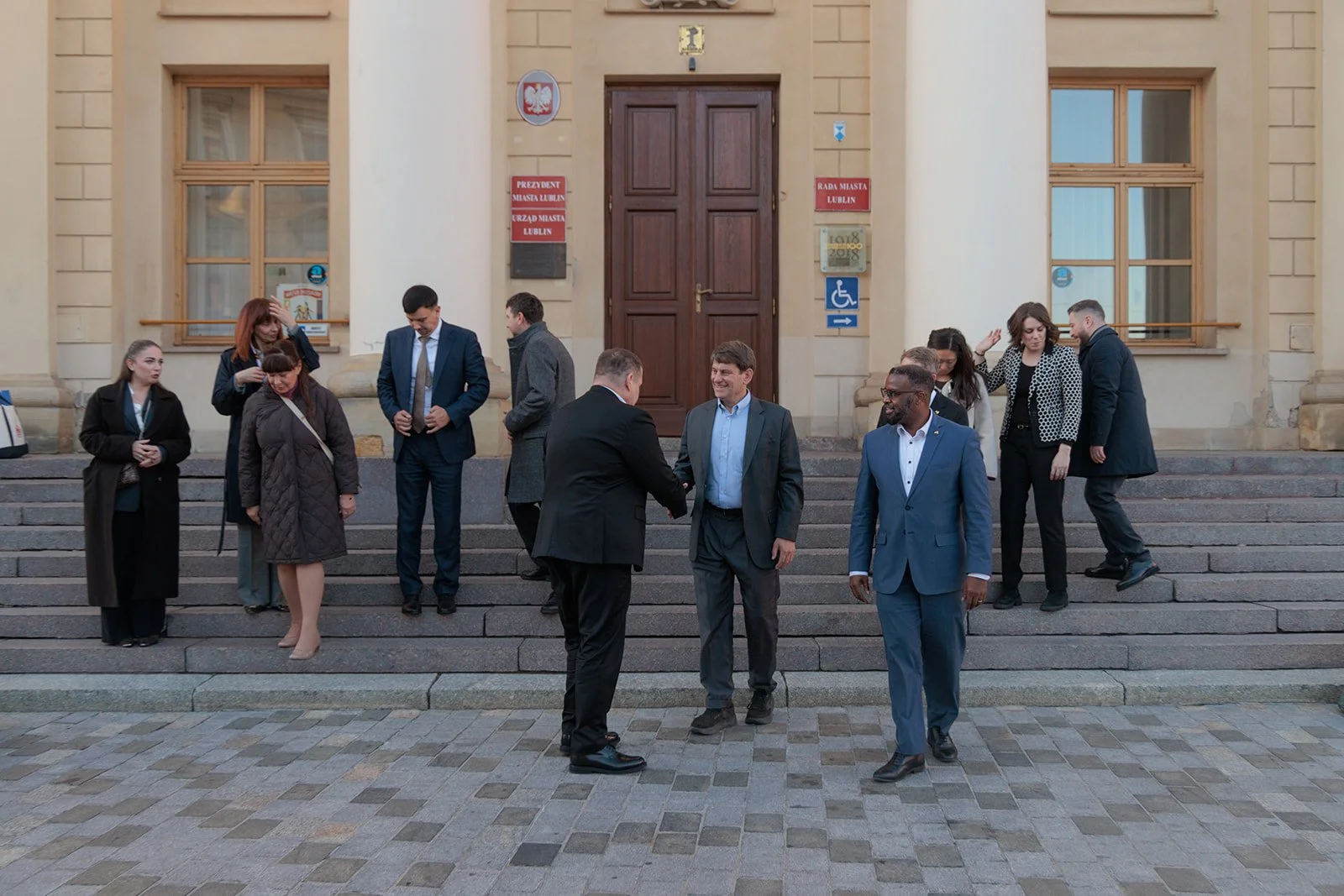
In conclusion, the Mayor of Dnipro thanked the American and Polish peoples for their support and expressed the hope that the new partnership with Grand Rapids, like the twinning arrangement with Lublin, would serve as a pillar of support for the cities and their residents.
'I am delighted the we have succeeded in this. And I am confident that this new partnership with Grand Rapids, just like our existing twinning (sister city) with Lublin, will continue to support our cities and their people.’
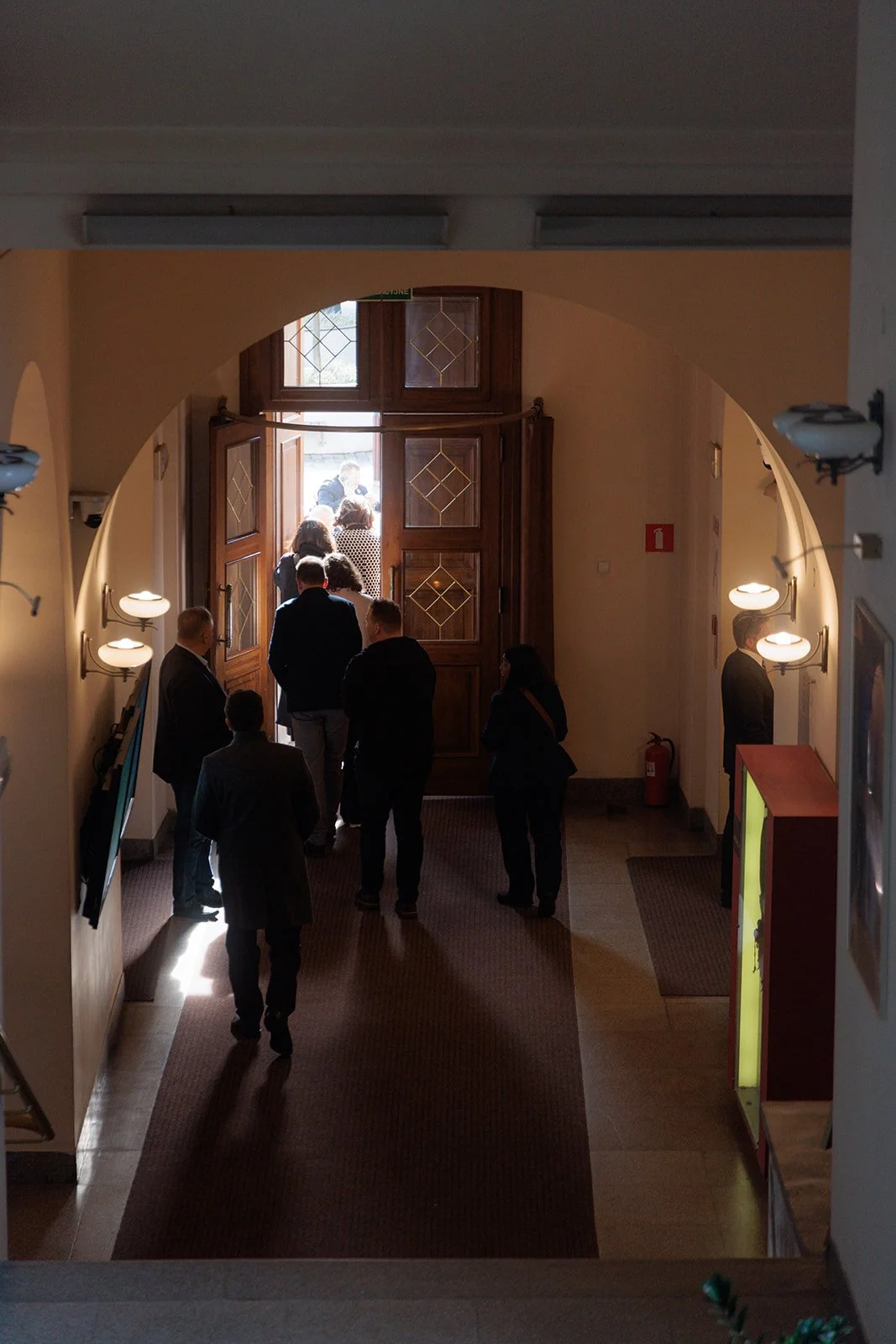
Closing comment from Mr Oleksandr Sanzhara, Secretary of the Dnipro City Council, "We will meet again to share borscht under peaceful skies in Dnipro."
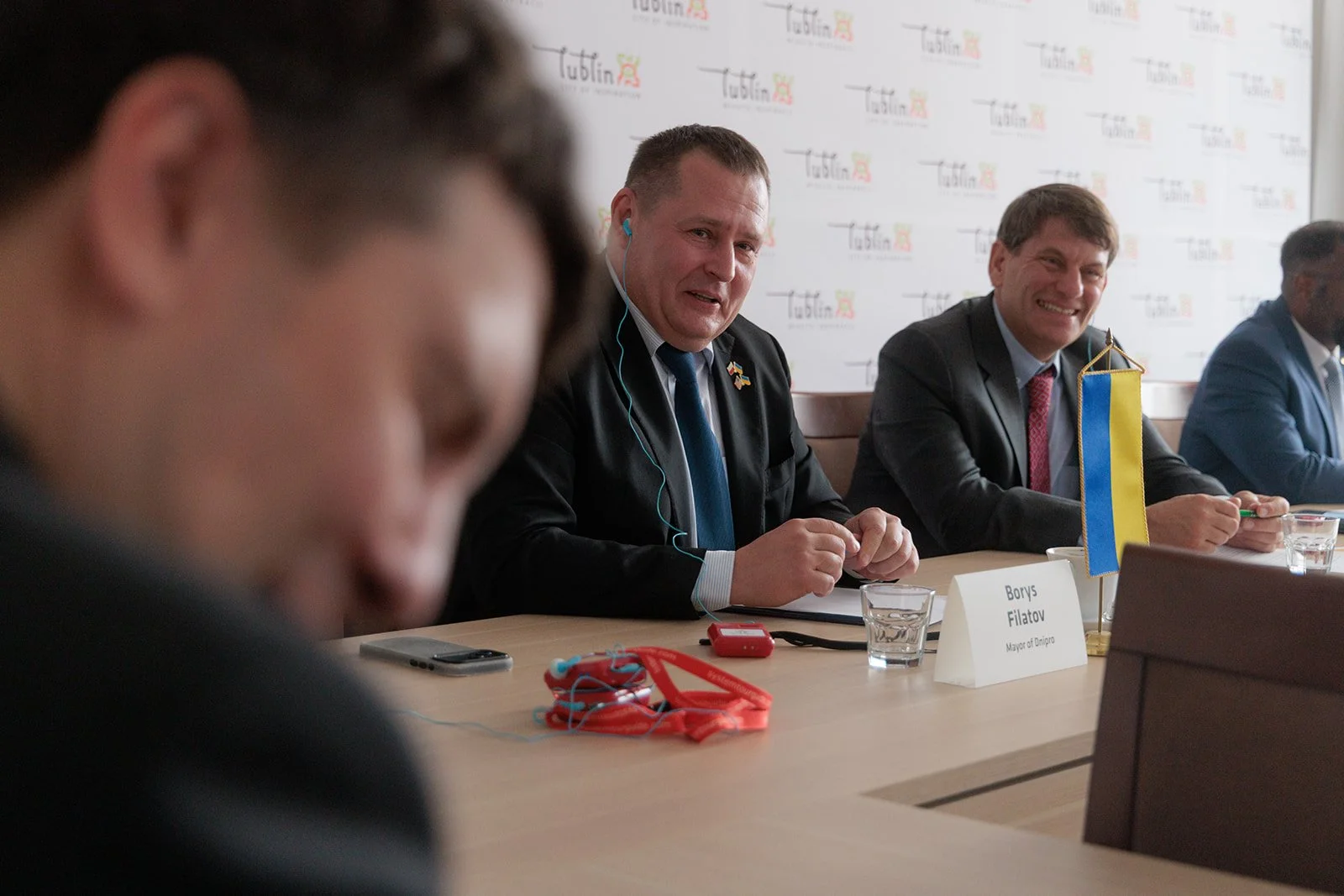
"The needs are so big. We don’t want to look like beggars but we will take anything. Right now we need morale support for the people." said Boris Filatov Mayor of Dnipro, ended with:
"I have been mayor of Dnipro for 15 years. When I die and am buried my tombstone will read 'this mayor went through revolution, pandemics and war...'" "…And won." added someone else in the room, a simple reminder of Ukrainian-level fortitude.
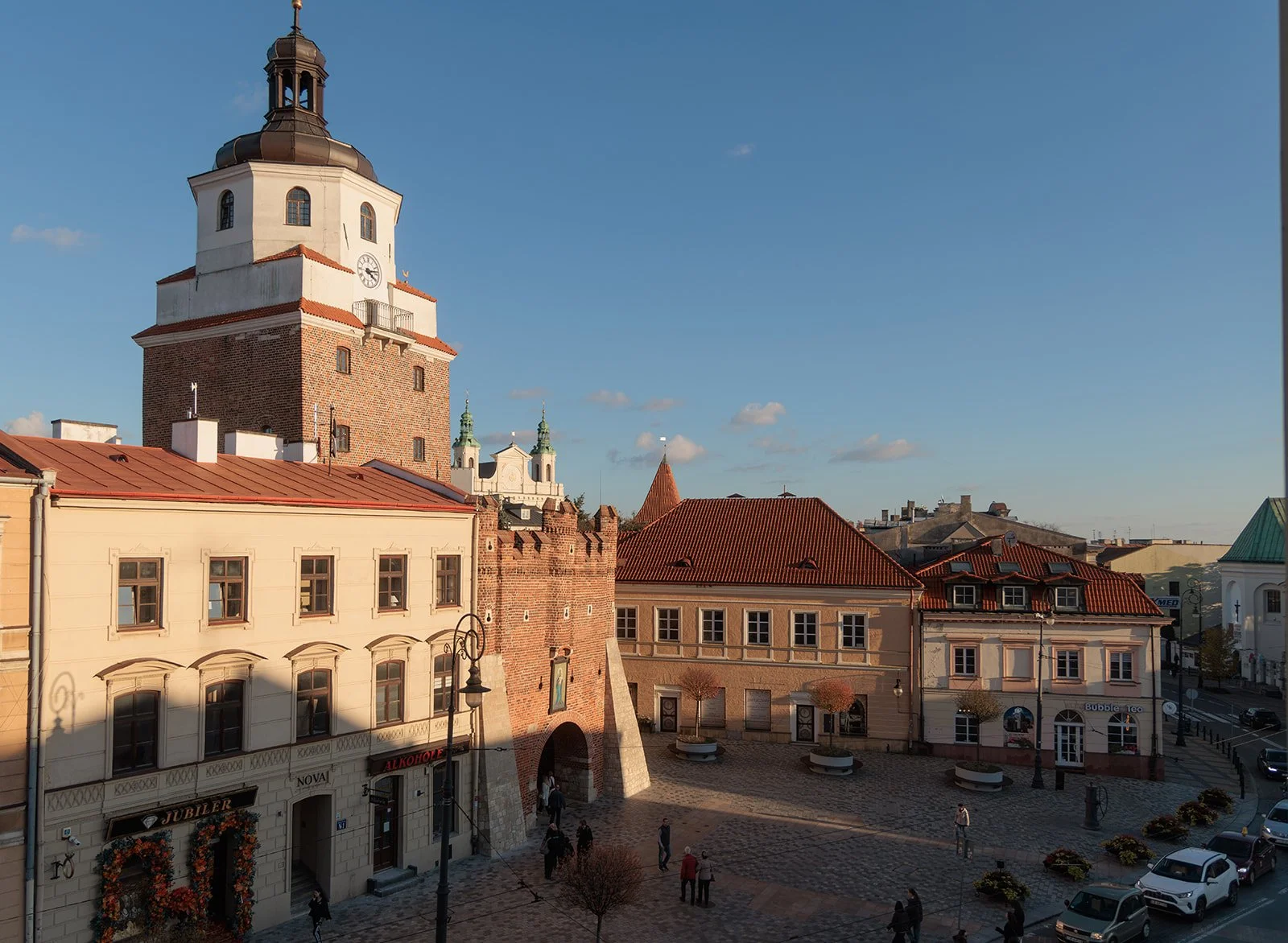
The sun sets through our window at Lublin Town Hall as our meeting concludes
